Profits of Destabilisation: Foreign Money, Proxy Wars, and the Price of Collapse.
Barricades divide urban spaces, civic institutions lose significance, and citizens engage in violence against one another as a nation appears to disintegrate internally. The violence is marked by the collapse of the central government, the destruction of the formal economy, and the urgent calculations required for survival. To most observers, this catastrophic breakdown seems wholly domestic, resulting from internal tensions where a fragile state succumbs to its own historical, ethnic, or political conflicts.
However, when the scope of analysis is expanded beyond immediate violence, the boundaries of conflict become indistinct, revealing a complex transnational system operating beyond the battlefield. Violence that appears local is seldom restricted to the borders of the affected state; rather, it is embedded within a global network where conflict serves as a profitable marketplace. This concealed infrastructure includes foreign governments, intelligence agencies, private military contractors, multinational corporations, illicit arms dealers, and offshore financial entities. Collectively, these actors constitute the stakeholders of the war economy, employing intermediaries, shell companies, and cross-border smuggling routes to supply combatants and extract resources.
A key analytical distinction is that foreign actors rarely conjure these wars out of thin air. Civil conflicts overwhelmingly germinate from genuine domestic fractures—systemic repression, severe horizontal inequalities between ethnic or social groups, chronic poverty, and the deep failure of the state to provide justice or public goods. However, while foreign powers may not create these initial fissures, they are uniquely positioned to exploit them. As external actors inject themselves into the fray, they finance, intensify, redirect, and internationalise the violence, transforming domestic grievances into protracted, multi-sided proxy wars. In these ruined landscapes, the mechanics of “disaster capitalism” take hold, with foreign states and corporations treating the disintegration of a nation not as a humanitarian catastrophe, but as a deliberate strategic and economic opportunity.
The strategies employed in destabilisation follow a deliberate and increasingly covert trajectory. Initial diplomatic alignment or humanitarian assistance often transitions into clandestine actions and unacknowledged influence. Foreign powers utilise illicit financial mechanisms to circumvent banking oversight, channelling substantial funds into conflict zones via hawala networks, front companies, and trade-based laundering to support their proxies. Intelligence agencies construct frameworks for cognitive manipulation, employing propaganda, disinformation, and covert sponsorship of local political figures to shape the strategic landscape. It is important to note that foreign-funded non-governmental organisations, journalists, and civil society groups are not inherently agents of destabilisation, as they frequently provide essential and independent contributions. The more corrosive reality arises when sponsorship, political direction, or strategic intent is deliberately concealed, converting legitimate civic institutions into covert entities designed to destabilise societies and advance foreign interests.
As conflict intensifies and the war economy becomes entrenched, both combatants and their foreign sponsors develop vested interests in perpetuating violence. The political economy of war supplants the collapsed state with a decentralised, privatised system of accumulation and exploitation. Warlords, rebel leaders, and corrupt officials amass significant wealth through the illicit trade of resources such as gold, diamonds, and narcotics, connecting local conflict zones to global commodity markets. In this context, achieving peace may become undesirable, as it would undermine the conditions that enable theft, extortion, and absolute authority. This situation raises a critical question: when systemic instability benefits foreign states, predatory elites, transnational arms networks, resource traders, and local commanders with substantial wealth and strategic advantage, who genuinely maintains an interest in peace?
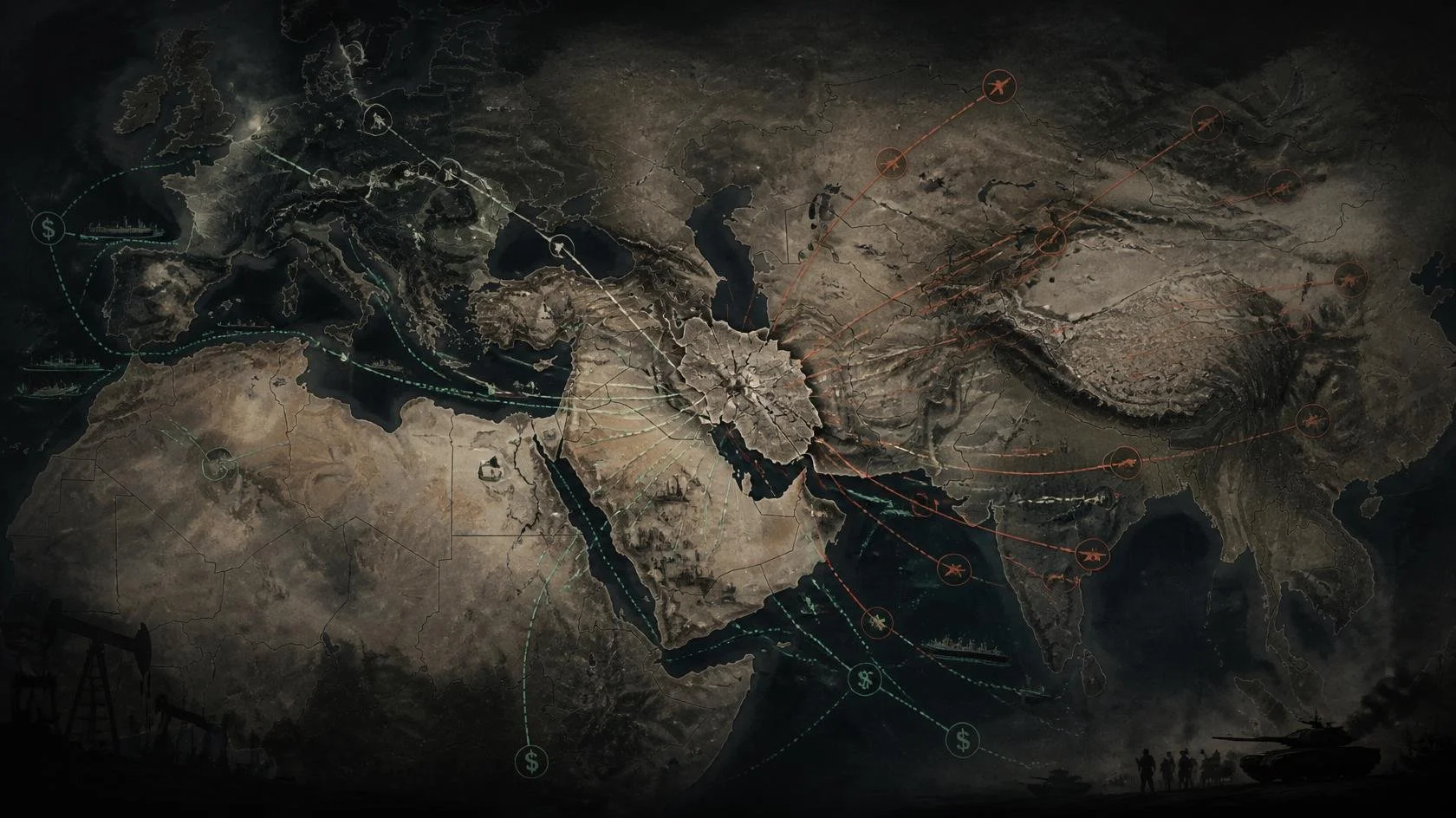
Before The War: Entering the Political System
Foreign intervention seldom presents itself overtly. Before the movement of weapons or mobilisation of armed factions, external influence permeates a target nation via the ostensibly benign structures of civil society. This influence is introduced through development grants, media partnerships, political consultants, philanthropic foundations, universities, think tanks, trade unions, student organisations, diaspora groups, and election monitoring programs. Such institutions wield significant structural power, enabling them to shape political discourse, educate future leaders, influence public policy priorities, reinforce opposition networks, and selectively amplify domestic grievances through international attention.
A clear distinction must be maintained: foreign-funded non-governmental organisations, independent journalism, humanitarian programs, and democracy assistance are not inherently instruments of destabilisation. In many fragile or transitional states, these entities provide essential and legitimate services, including public service delivery and human rights protection, where the state is unable or unwilling to act. The risk emerges when the true sponsor, political intent, or strategic direction of such support is intentionally concealed. Subversion occurs when ostensibly independent organisations are covertly directed by external governments or intelligence-linked intermediaries, operating under a public facade to advance foreign policy objectives. When undisclosed funding is used to select political actors, shape domestic narratives, and influence election outcomes without transparency, civic assistance becomes covert political interference.
Foreign powers predominantly favour these discreet channels, as overt military intervention is costly, conspicuous, and politically hazardous, often provoking domestic backlash and international condemnation. In contrast, covert political funding and institutional influence facilitate gradual, systemic transformation while maintaining plausible deniability. State sponsors may secretly finance media outlets to influence public discourse, provide advanced campaign training to preferred candidates, support targeted academic research, foster youth activism, link local dissident movements to influential transnational advocacy networks, and elevate specific leaders, all without direct control being apparent.
This dynamic inevitably blurs the difficult boundary between assistance and interference. One must ask whether an assistance program truly remains neutral when the foreign donor alone decides which causes receive resources, which marginalised voices gain international platforms, and which political results are considered acceptable. Yet, it is vital not to portray local actors as passive puppets in this exchange. Domestic organisations possess profound agency; they actively seek foreign support to achieve their own genuine domestic goals, willingly adapting their rhetoric to match the prevailing language of international donors to secure vital funding. In the face of powerful, repressive governments, local activists frequently utilise a “boomerang” strategy, bypassing their own state to create alliances with international networks and bring external pressure to bear on domestic politics. In a proxy-client relationship, the patron seeks to enrol local actors in pursuing external interests. In contrast, the local actors simultaneously utilise external support to advance their own firmly established objectives.
The manipulation of the information environment through foreign-funded media narratives and cognitive subversion represents the most powerful instrument in this gradual process. External actors systematically amplify existing domestic grievances, incentivise the most polarising voices, disseminate selective or fabricated evidence, and frame political compromise as national betrayal. Effective information warfare rarely requires the creation of anger; rather, it exploits genuine social divisions, historical inequalities, and political resentments, employing sophisticated propaganda feedback mechanisms to intensify and entrench these divides. By aligning manufactured narratives with actual economic disruptions or international crises, these actors exacerbate social polarisation and intentionally induce systemic paralysis.
This situation is profoundly disquieting due to its inherent ambiguity. Not all protests, NGOs, or opposition movements are externally directed; asserting otherwise risks descending into conspiracy. The core challenge of democratic vulnerability is that authentic civic engagement, strategic foreign funding, and covert political objectives now coexist, making it nearly impossible to distinguish committed local activists from unwitting proxies. By utilising institutions intended to foster open discourse, foreign powers ensure that the political system is compromised well before public awareness of intervention emerges.
Money Without a Flag
Transnational financial flows often obscure the identity of the originating state, intelligence service, political network, or commercial interest. By the time funds reach media outlets, political organisations, civil society groups, armed factions, or local intermediaries, they may have passed through numerous institutions, making the original intent nearly impossible to trace. In covert operations, the visible action—such as a protest, media campaign, or armed strike—is necessary for impact. However, the most closely guarded secret remains the identity of the sponsor.
Foreign actors employ complex and opaque financial architectures to transfer politically sensitive funding without leaving identifiable geopolitical traces. Capital is routed through shell companies in offshore jurisdictions with stringent secrecy laws, private foundations, charitable organisations, consulting contracts, layered grants, and transnational business fronts. In Western democracies, for example, foreign governments or oligarchs may circumvent campaign finance regulations by creating domestic shell companies—entities that exist solely on paper—to channel anonymous donations into political action committees, thereby obscuring the funds’ foreign origin. Authoritarian regimes and illicit actors similarly exploit deep asset markets and anonymous incorporation in jurisdictions such as the British Virgin Islands. The BAE Systems corruption scandal, for instance, revealed how entities such as Red Diamond Trading Ltd served as opaque conduits for concealing substantial illicit payments to agents and foreign officials. Diaspora networks can also serve as significant funding channels, transferring millions of dollars through charities, cultural organisations, or affiliated business operations to support insurgencies in their countries of origin, as demonstrated by the global Tamil diaspora’s financial support for the Liberation Tigers of Tamil Eelam (LTTE) in Sri Lanka. Each additional layer of corporate, charitable, or informal financial infrastructure increases the separation between the original sponsor and the ultimate recipient.
Financial concealment should be precisely defined: the primary objective is not necessarily to render the funds untraceable, but rather to create uncertainty regarding attribution, delay investigations, introduce legal ambiguity, and enable the sponsor to plausibly deny involvement in the final activity. Separate organisations are deliberately linked to form a chain in which no individual transaction or participant discloses the entirety of the operation. If a conduit is exposed, the system is structured to sever connections efficiently, thereby isolating the sponsor from the proxy and ensuring that any resulting scandal cannot be legally or politically traced to the originator.
Maintaining analytical rigour is essential in this context. Foundations, charities, international grants, and private donations are not inherently suspect. Legitimate organisations may require privacy or financial intermediaries for practical or security reasons, especially when operating under repressive regimes where openly receiving foreign democracy assistance could result in imprisonment or violence. The concern arises when these legal and financial structures are intentionally employed to obscure political direction, conceal foreign government involvement, circumvent domestic laws, or prevent public awareness of those seeking to influence national events. The primary vulnerability emerges when an entity maintains dual accounting systems: one transparent ledger for regulators highlighting humanitarian aid, and a concealed ledger that obscures the flow of funds to political or militant networks.
Foreign governments and intelligence services predominantly favour indirect financing over overt support due to the significant strategic risks associated with public funding. Openly supporting dissident movements or armed groups can trigger severe diplomatic repercussions, escalate into direct military responses, and cause irreparable harm to the sponsor’s international standing. Moreover, transparent support can compromise local recipients; for example, a labour leader or media outlet may lose all domestic credibility if their association with foreign intelligence becomes public knowledge. Covert financing addresses these challenges by enabling external actors to exert substantial influence while maintaining plausible deniability and a safe distance from ensuing unrest, political campaigns, or armed escalations.
Financial dependence influences recipient behaviour even in the absence of explicit directives from sponsors. Organisations often adapt their language, operational priorities, research agendas, political alliances, and media narratives to align with donor expectations and secure ongoing funding. In post-conflict societies, it is frequently observed that local civil society organisations may become so reliant on foreign aid that they prioritise international donor agendas over the interests of the local constituencies they purport to represent. This dynamic raises a critical question: does foreign influence necessitate direct command-and-control authority, or does the ability to determine funding allocation constitute a significant form of political direction?
As a crisis deepens, money can move seamlessly from the political sphere toward overt conflict. In the early stages of destabilisation, concealed funds might finance communication, political organisation, lobbying, and the mobilisation of protests. But as political fractures turn into organised violence, the very same financial networks that appear civilian can become part of a much darker structure. The network pivots toward supporting transport, safe houses, fighters’ salaries, intelligence gathering, weapons procurement, and cross-border logistics. Charitable fronts and front companies that once imported basic goods or provided humanitarian relief can easily be repurposed to move dual-use technology, smuggle cash via couriers, or launder money for military operations. For example, in the Middle East, Iran’s Islamic Revolutionary Guard Corps (IRGC) utilises an intricate shadow economy of hawala brokers, trade-based money laundering, and charitable organisations to move hundreds of millions of dollars to proxies like Hezbollah and militias in Iraq and Syria, transitioning funds from nominal Although these documented cases illustrate the mechanisms of covert funding, it is essential to differentiate between verified financial relationships and mere allegations. The presence of foreign or opaque funding should not automatically be equated with criminality. In many conflict zones, the true origin and ultimate purpose of funds are often highly contested.
Nevertheless, the implications of this reality are deeply concerning. The most significant impact of concealed funding is not limited to the politicians it influences, the media it shapes, or the weapons it procures, but also includes the pervasive uncertainty it introduces into society. When the source of funding cannot be conclusively identified, accountability becomes easier to evade, and widespread public suspicion can erode trust throughout the political and social fabric. This involves steadily weakening trust in the entire political and social ecosystem.
The Intelligence Cut-Out
Covert power rarely operates linearly. The space between a foreign government and its desired political outcome is typically populated by foundations, contractors, multinational corporations, charities, exile groups, private donors, allied intelligence services, local political figures, and neighbouring states. This complex architecture is designed to prevent direct contact between the initial sponsor and the final operation. At key points within this network, the intelligence cut-out functions as a person, organisation, or intermediary used to transfer money, information, instructions, or material support, thereby severing the visible chain of command.
The cut-out system operates through fragmented knowledge. It establishes necessary distance, safeguards the identities of intelligence officers, and provides the sponsoring state with plausible deniability. If an operation is exposed, the state must plausibly deny responsibility to prevent diplomatic retaliation or military escalation. The cut-out system is carefully layered: one ostensibly independent organisation may receive funds, another philanthropic entity may distribute them, a private consultant may deliver strategic instructions, a local political partner may execute mobilisation, and an allied neighbouring government may supply logistics. Each participant is intentionally compartmentalised, typically aware only of their immediate contact and possessing a limited understanding of the overall operation. This structural opacity significantly impedes investigators, journalists, and even participants from reconstructing the complete chain of custody.
Intelligence services depend on this fragmented structure for purposes extending beyond secrecy. Cut-outs provide judicial and diplomatic insulation, substantially reducing the political costs of intervention while obscuring the sponsor’s strategic objectives. Additionally, they enable the sponsor to abandon operations cleanly if they become politically untenable, perpetuating uncertainty regarding responsibility. Cut-outs may take numerous forms, including corporate front organisations (often referred to as “proprietaries” or shell companies), cultural associations, commercial enterprises involved in global trade, humanitarian organisations, private security and military firms, political foundations, media entities, wealthy intermediaries acting as “dummy donors”, diaspora networks, and partner intelligence agencies.
It is important to note that institutions within these categories are not inherently covert or malicious. The central concern is whether they are secretly employed to advance state objectives while presenting themselves to the public as independent entities. Historically, intelligence-linked foundations, magazines, conferences, labour organisations, and student groups have significantly influenced public opinion and fostered transnational political networks. For example, during the Cold War, the CIA established a comprehensive “Mighty Wurlitzer” of front operations. The agency covertly channelled millions of dollars through wealthy intermediaries, such as the heir to a gin fortune who acted as an “angel” donor to the Farfield Foundation, which subsequently funded the Congress for Cultural Freedom. The CIA also funded the National Student Association and the Free Trade Union Committee, using student leaders and labour activists as intermediaries to counter Soviet influence. These operations aimed not only at immediate regime change but also at identifying and cultivating future political leaders, building lasting transnational relationships, establishing ideological legitimacy, and systematically undermining hostile institutions.
However, the structure that ensures deniability also results in a significant loss of control. Within the political economy of proxy warfare, delegating conflict introduces “agency slack,” where intermediaries undertake actions that diverge from the sponsor’s original intentions. By outsourcing influence and violence, the sponsor forfeits autonomy. Intermediaries may misappropriate funds, exaggerate their influence to obtain additional resources, or pursue personal agendas that manipulate their foreign sponsors. In some instances, intermediaries escalate conflicts, supporting more extreme or violent actions than the sponsor intended, acting as uncontrollable agents in the field. The relationship is inherently transactional and often symbiotic. While a foreign state may believe it is effectively using a local actor as a proxy, the local actor may simultaneously exploit the sponsor to obtain financial support or military protection, or to consolidate domestic political power.
This delegation of power generates pervasive moral and legal ambiguity. When covert operations lead to public unrest, aggressive propaganda, armed mobilisation, or human rights violations, the fragmented structure of the cut-out ensures that each actor can attribute decisive actions to others. The lines of command and control become indistinct. The sponsoring state denies command responsibility, referencing the autonomy of ground-level actors; intermediaries assert operational independence or ignorance of the sponsor’s intent; and local recipients claim the activity was an organic, domestic movement.
Accountability is not merely evaded; it is systematically dissolved. Responsibility is dispersed throughout the layered network to the extent that it becomes nearly untraceable, leaving victims of destabilisation without legal or political recourse. Ultimately, the profound power of an intelligence cut-out resides not only in the secrecy it provides to the sponsor but also in the intentional fragmentation of moral and legal responsibility.
The Narrative Front
The most consequential battlefields of the twenty-first century are not physical territories, but rather the cognitive processes and shared empirical realities of targeted populations. Narrative warfare, defined as the deliberate and coordinated effort to manipulate public beliefs, attitudes, and behaviours for political objectives, operates by circumventing rational judgment and exploiting emotional vulnerabilities. To destabilise a nation internally, foreign governments, intelligence agencies, and their intermediaries need not fabricate grievances; instead, they identify and weaponise existing domestic divisions. Through extensive networks of non-governmental organisations (NGOs), foreign-funded media, think tanks, digital platforms, and covert financial channels, external actors can systematically erode institutional trust and portray domestic political opponents as existential threats, rendering coexistence unattainable.
This apparatus of cognitive subversion operates through a methodical sequence. The initial phase involves identifying genuine social, economic, or ethnic divisions. Once these fault lines are mapped, foreign sponsors discreetly channel funds through illicit financial networks, often circumventing judicial oversight via offshore shell companies, charitable organisations, and diaspora networks, to support domestic civil society groups, opposition leaders, and media outlets. It is essential to maintain analytical rigour: the receipt of international support does not inherently render an NGO or media entity a controlled proxy. Globally, transnational advocacy networks frequently engage in legitimate activities, employing a ‘boomerang’ strategy to bypass repressive regimes and solicit international allies for human rights or environmental causes. Destabilisation becomes a risk only when the true source of funding, the network’s coordination, or the strategic objectives are intentionally obscured. In covert political operations, the activity must be visible to influence public perception, while the sponsor’s identity remains entirely concealed.
Historically, the framework for transnational narrative control was refined during the Cold War. The United Kingdom’s Information Research Department (IRD) covertly disseminated propaganda to journalists and intellectuals to influence ideological conflicts in the Middle East and Europe, employing what became known as the ‘hidden hand.’ The Central Intelligence Agency (CIA) established the Congress for Cultural Freedom (CCF), channelling substantial funds through philanthropic foundations to cultivate a network of prominent writers, artists, and musicians who could serve as intellectual counterweights to Soviet influence, often without their knowledge. To directly reach populations behind the Iron Curtain, American strategists developed Radio Free Europe and Radio Liberty, which were publicly presented as ‘citizens’ adventures’ but secretly financed by the CIA to provide alternative political narratives. The Soviet Union’s KGB implemented its own ‘active measures,’ using front organisations and forged documents to disseminate disinformation, most notably through Operation INFEKTION, a sustained 1980s campaign falsely alleging that the AIDS virus was a biological weapon created by the US Army. During various proxy conflicts, the CIA also supported extensive propaganda and psychological operations in Afghanistan, Angola, and Nicaragua, funding broadcasts, pamphlets, and cultural organisations to undermine Marxist regimes and support insurgent groups.
In the contemporary period, the internet's digital infrastructure has significantly accelerated and expanded these strategies, facilitating the rapid dissemination of emotionally charged narratives and ‘junk news.’ Propagandists construct narratives based on selective information, exploiting cognitive biases such as confirmation bias, which leads individuals to seek information that reinforces their existing beliefs, and the ‘illusory truth effect ’, where repeated exposure to falsehoods increases their perceived validity. These narratives are disseminated through trusted local figures and ‘partisan nano-influencers,’ who are ordinary individuals with modest but highly engaged audiences and are covertly compensated to distribute political content.
After initial dissemination, these narratives are amplified on a large scale. Foreign state broadcasters, including Russia’s RT and Sputnik, disseminate ‘white’ (overt) propaganda to legitimise and introduce false narratives into mainstream discourse. This is integrated with ‘grey’ and ‘black’ propaganda networks, which include automated bot swarms, troll farms, and fabricated media outlets. During the 2016 United States presidential election, Russia’s Internet Research Agency (IRA) allocated a monthly budget of $1.25 million to manage hundreds of thousands of fictitious personas across platforms such as Facebook, Twitter, and Instagram. By impersonating domestic activist groups, including ‘Blacktivist’ and the anti-immigrant ‘Secured Borders,’ the IRA orchestrated physical protests within the United States, intentionally exacerbating racial and political divisions. Comparable cyber-militias and state-sponsored trolling campaigns have been employed by China and Iran, using bots and public opinion manipulation to dominate discussions about Taiwan, Tibet, and domestic dissent.
Concurrently, the exploitation of hacked materials has obscured the distinction between whistleblowing and psychological operations. Incidents such as the Democratic National Committee (DNC) email breach by ‘Guccifer 2.0’ and the ‘Shadow Brokers’ leak of National Security Agency (NSA) cyber tools illustrate how foreign intelligence agencies can obtain authentic data, selectively disseminate it through intermediaries like WikiLeaks, and enable domestic conspiracy theorists to construct destabilising narratives from these fragments. Currently, this information environment faces additional risks due to advancements in artificial intelligence. Malicious AI systems can analyse the social network structures of a target nation and infiltrate susceptible communities with customised, culturally relevant messages. The use of Large Language Models (LLMs) and deepfakes enables foreign actors to produce synthetic media that distorts empirical reality by fabricating statements or actions attributed to political opponents.
The ultimate objective of this narrative machinery is the physical mobilisation of the public into protests, riots, and political paralysis. Through political-training networks, foreign foundations and democracy-assistance programs have actively trained activists in non-violent resistance, inadvertently or deliberately shaping regime change. Following the fall of Slobodan Milošević in Serbia, veterans of the foreign-funded Otpor! movement established training centres to instruct dissident groups worldwide, relying heavily on US foundations such as the National Democratic Institute (NDI) and the International Republican Institute (IRI). These tactics subsequently echoed through the “colour revolutions” in Georgia and Ukraine, demonstrating how external training and resources can rapidly organise a fractured public into a unified force capable of toppling governments. While domestic actors retain absolute agency in these movements, their reliance on foreign guidance and capital creates deep vulnerabilities. It allows hostile regimes to dismiss all genuine grassroots protests as externally engineered conspiracies.
Once initiated, a destructive propaganda feedback loop emerges. Peripheral digital networks introduce sensational accounts of unrest into the public domain, prompting traditional news outlets to cover these events in pursuit of audience engagement, thereby inadvertently legitimising and disseminating foreign propaganda. This widespread media attention, both domestic and international, reinforces the determ’ determination and mobilisation. The ensuing street-level disturbances generate vivid and emotionally charged content, such as images of barricades, confrontations, and police violence, which are rapidly recirculated within digital platforms to provoke further outrage. When the targeted government responds with force, the narrative of state illegitimacy is reinforced. International advocacy organisations amplify this outrage on a global scale, calling for diplomatic measures, economic sanctions, or military intervention against the affected state.
Within this constructed environment, the possibility of compromise is strategically eliminated. Governments perceive opposition groups not as citizens expressing grievances, but as agents of hostile foreign interests, while opposition movements regard the government as an existential adversary. Ultimately, the most profound danger of narrative warfare is that it does not necessitate military invasion to destabilise a nation; rather, it relies on the systematic exploitation of societal fears, leading to self-destruction.
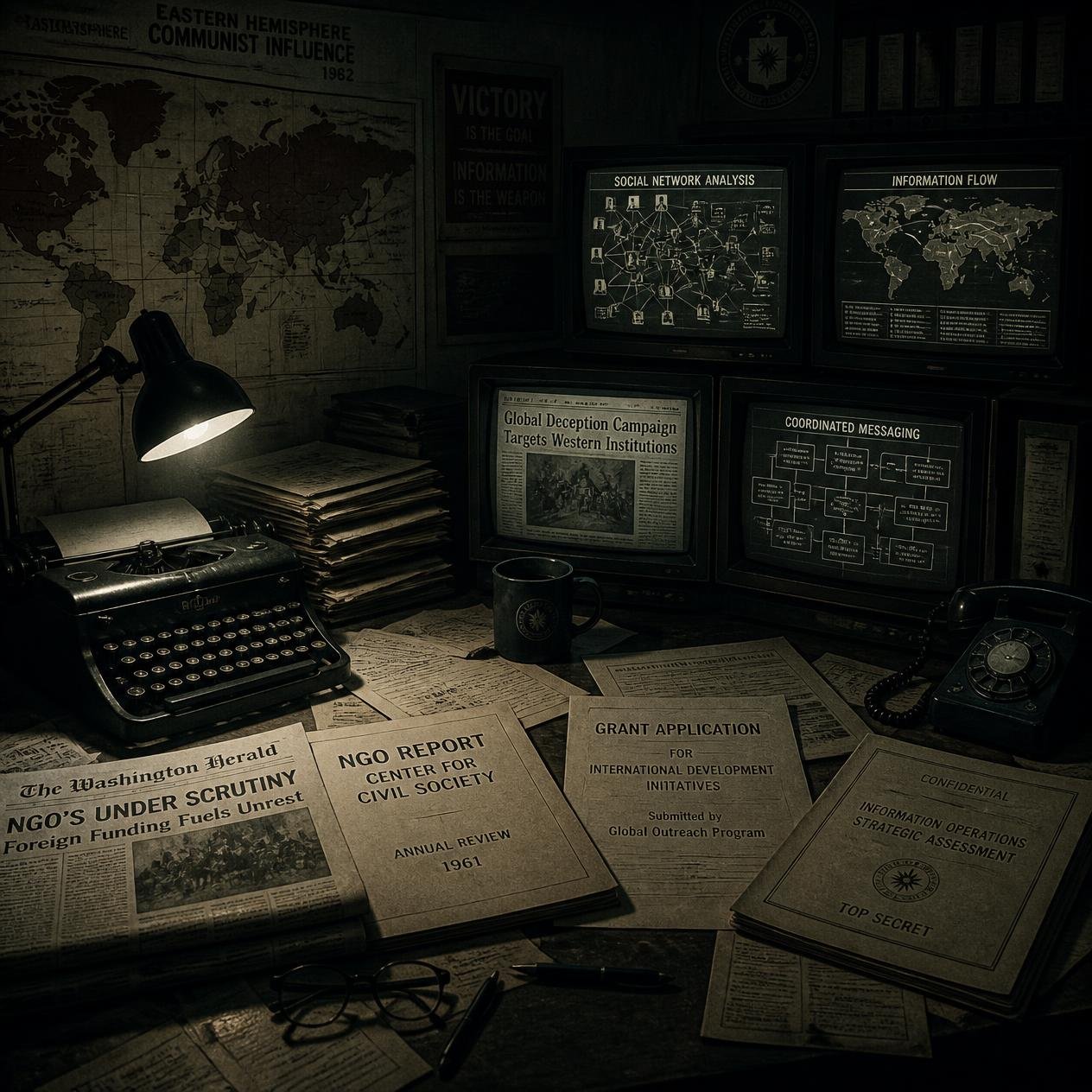
The Escalation from Influence to Armed Support
The progression of a foreign power’s involvement from subtle political influence to the overt orchestration of armed violence is typically gradual. Rather than commencing with a conspicuous influx of weaponry, escalation from covert interference to the sponsorship of organised conflict unfolds incrementally. Initial actions may include funding political dissidents, manipulating media narratives, or discreetly cultivating civil society networks, which intensify as domestic crises worsen. Before the outbreak of violence, foreign intelligence operatives and military contractors often entered under the pretence of political consultancy or technical advisory roles. These actors introduce encrypted communications, specialised transport, and surveillance technologies, systematically mapping the target state’s infrastructure and identifying opposition networks. As civil unrest escalates into armed rebellion, foreign support expands rapidly. The provision of nonlethal aid—such as secure radios, safe houses, and intelligence sharing—eventually gives way to military training, regular salaries for combatants, substantial deliveries of lethal weapons and ammunition, and the establishment of cross-border supply routes. At this stage, the foreign power transitions from influencing domestic politics to actively engineering armed conflict.
A comprehensive understanding of the scale and complexity of external intervention requires detailed examination of each major form of support, as these mechanisms sustain otherwise fragile rebellions. Financing constitutes the foundation of any proxy insurgency, often channelled through intricate hawala networks, trade-based money laundering, and charitable organisations to obscure the sponsor’s identity and circumvent international banking sanctions. Such funding enables rebel commanders to offer recruitment incentives and salaries, thereby transforming loosely organised groups into professional militias. Military training typically takes place at secure bases in neighbouring countries, where foreign special operations forces and intelligence officers instruct local fighters in guerrilla tactics, explosives, and operational planning. Weapons transfers and the establishment of logistical networks are also essential; sponsors develop extensive, covert arms pipelines, sometimes acquiring Eastern Bloc weaponry through shell companies to mask their involvement before transporting munitions across porous borders.
In addition to supplying material resources, sponsors offer significant operational and strategic advantages. These include real-time intelligence and targeting data, enabling local fighters to anticipate state military actions and conduct precise attacks. Sponsors also provide advanced medical support, establishing field hospitals or treating wounded commanders in modern facilities. Border sanctuaries in neighbouring states serve as safe havens for insurgents to rest, resupply, and recruit, particularly from refugee populations. On the international stage, sponsors provide crucial diplomatic protection by leveraging influence at the United Nations or within regional organisations to shield armed groups from condemnation, block unfavourable ceasefire resolutions, and legitimise the rebellion. It is essential to recognise that foreign support does not, in the absence of genuine grievances and social divisions, create civil wars. However, without extensive external assistance, most insurgent factions would be rapidly defeated by the incumbent states’ superior military capabilities. The intervention of sponsors enables these factions to survive, expand, and sustain conflict, thereby internationalising, intensifying, and prolonging warfare.
This dynamic characterises proxy warfare, which is conceptually defined as the indirect involvement of third parties in a conflict to influence its strategic outcome. Historically, foreign powers have predominantly supported local forces rather than engaging in direct intervention. Former US President Dwight D. Eisenhower described proxy warfare as “the cheapest insurance in the world.” For sponsoring states, this approach is strategically rational. Delegating violence to local actors significantly reduces the financial costs of intervention and mitigates domestic political risks associated with military casualties. It also provides plausible deniability, enabling states to undermine geopolitical rivals, secure resources, or extend regional influence without formally declaring war. In the contemporary context, where confrontation between major powers risks nuclear escalation, proxy warfare shifts the destructive consequences of strategic competition onto third-party states and their populations.
However, the perceived control in proxy warfare is a significant misconception in international relations. By entrusting warfare to independent armed groups, sponsors relinquish substantial operational and tactical authority, resulting in risks commonly referred to as “agency slack.” The principal-agent relationship is inherently unstable. Large inflows of foreign funds and weapons foster corruption within both proxy forces and intermediary states managing logistics. For instance, during the Soviet-Afghan War, the CIA and Saudi intelligence funnelled billions of dollars in weapons through Pakistan’s Inter-Services Intelligence (ISI). Yet the process was plagued by fraudulent documentation, embezzlement, and black-market sales by local commanders and intelligence officials. Weapons diversion remains a systemic issue; arms intended for “moderate” proxies often enter the broader conflict environment, as demonstrated in Syria, where Western- and Gulf-supplied weapons to anti-Assad rebels were frequently acquired by extremist groups such as the al-Nusra Front and ISIS, significantly increasing the arsenals of terrorist organisations. Additionally, competition for foreign funding can incentivise radicalisation, as armed groups recognise that adopting extreme violence or rigid ideological positions is an effective strategy to attract external support.
In evaluating the mechanisms of proxy warfare, it is essential to recognise the centrality of local agency. Armed groups are not simply passive instruments of foreign sponsors; they are rational, politically motivated actors with distinct domestic objectives that often diverge from those of their patrons. Proxies frequently exaggerate their military capabilities and local legitimacy to secure increased funding. They may engage in “patron-shopping,” leveraging competition among sponsors to maximise access to resources while minimising external constraints. Local combatants often utilise foreign support to pursue their own agendas, such as settling longstanding ethnic disputes, eliminating political rivals, or controlling lucrative smuggling routes and natural resources. The sponsor-proxy relationship is seldom characterised by complete dominance; instead, it typically involves mutual exploitation, with foreign states seeking to weaken adversaries and proxies leveraging external resources to advance their own interests.
This situation presents a deeply unsettling reality. When an armed rebellion is entirely sustained by external patrons—its fighters compensated with foreign currency, trained by foreign special forces, equipped with foreign weapons, treated in foreign medical facilities, and sheltered across foreign borders—the fundamental nature of the conflict is transformed. This raises a critical question: if a faction persists solely because of external financing, training, protection, and armaments, whose interests does the conflict ultimately serve?
The answer is found in the transformation of the battlefield. Conflicts that originate as localised disputes over governance, rights, or resources are often overtaken and redefined by the strategic objectives of external powers. When multiple foreign states view the same conflict as an arena for their ambitions, the scale of devastation increases significantly.
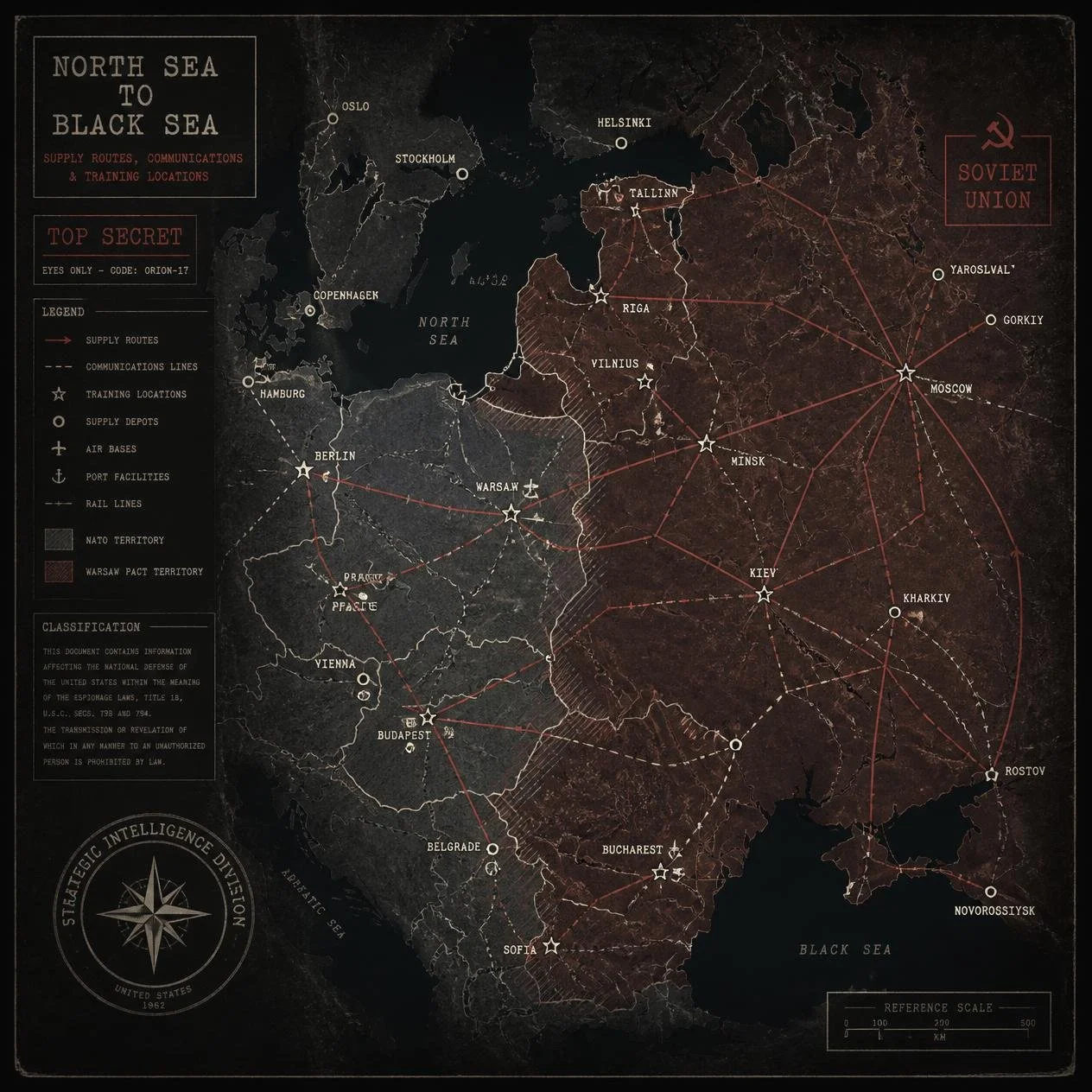
The Civil Wars Others Needed
Civil wars typically originate from genuine domestic grievances, such as state repression, ethnic marginalisation, severe poverty, or systemic inequality. However, when a fractured nation draws the attention of foreign governments, intelligence agencies, and neighbouring states, the character of the conflict is fundamentally altered. While external actors seldom initiate these wars, their financing, arming, and protection of rival factions serve to internationalise the battlefield. The resulting proxy relationships transform local disputes into prolonged and intractable conflicts, offering both external and internal actors significant incentives to perpetuate violence. Consequently, what begins as a struggle for national self-determination is often subsumed by global competition, with the original causes of the war overshadowed by the strategic ambitions of distant powers.
The Angolan Civil War exemplifies how global geopolitical interests can overtake a domestic conflict. After gaining independence from Portugal in 1975, Angola’s political landscape fractured along ethno-linguistic and ideological lines, with three liberation movements vying for control: the Marxist, urban-based MPLA; the Bakongo-dominated FNLA; and the Ovimbundu-supported UNITA. Rather than remaining a contained post-colonial power struggle, the conflict was quickly absorbed into the dynamics of the Cold War. Seeking to limit Soviet influence in Africa, the United States, primarily through the CIA, covertly supplied weapons and financial support to the FNLA and UNITA, while also encouraging apartheid South Africa to invade and attempt to defeat the MPLA. In response, the Soviet Union launched a large-scale airlift of military equipment, and Cuba deployed tens of thousands of troops, eventually reaching 55,000, to secure the MPLA’s position.
The protracted Angolan conflict, which persisted until 2002, was sustained not only by foreign military assistance but also by the war’s integration into global commodity markets. The MPLA government financed its extensive military operations through offshore oil revenues, which were actively protected by Western petroleum companies, even as the United States sought to undermine the regime. In contrast, after the end of Cold War support, Jonas Savimbi’s UNITA maintained its insurgency by controlling Angola’s alluvial diamond fields. Between 1992 and 1997, UNITA generated an estimated $3.7 billion from illicit diamond sales, exchanging rough stones for Eastern European weaponry through international brokers. This combination of foreign support and access to illicit resource markets shielded both factions from military defeat or domestic pressure, effectively transforming Angola into a geopolitical arena where neither side could achieve victory, and the civilian population suffered ongoing hardship.
The violence in Afghanistan during the 1980s demonstrates how global and regional powers can escalate an internal crisis. The conflict began with a 1978 communist coup and subsequent rural uprisings, leading to the Soviet Union’s 1979 invasion to support a vulnerable Marxist government. In response, a substantial covert flow of financial and military aid was established for the anti-communist mujahideen, coordinated by the CIA and the Saudi General Intelligence Department. However, Afghan fighters and their regional allies were not merely instruments of external powers. Pakistan’s Inter-Services Intelligence (ISI) played a central role in the proxy war, insisting on complete control over arms distribution to achieve its strategic goal of installing a compliant Islamist regime in Kabul, thereby securing strategic depth against India.
The ISI systematically favoured the most radical Islamist factions, such as Gulbuddin Hekmatyar’s Hezb-e-Islami, deliberately marginalising moderate or nationalist Afghan groups and creating a heavily armed, extremist vanguard. Furthermore, the influx of Arab volunteers, funded by private Persian Gulf charities and wealthy donors like Osama bin Laden, added a virulent transnational jihadist element to the local resistance. This sponsor-proxy dynamic bred immense corruption and loss of control, as weapons were diverted to illicit markets and commanders grew wealthy through the heroin trade. When the Soviets withdrew, and the superpowers subsequently halted their funding in late 1991, the Afghan state completely collapsed. The hyper-armed, radically decentralised factions, no longer united by a common enemy or restrained by foreign paymasters, turned their weapons on each other, tearing Kabul apart in a catastrophic civil war that ultimately birthed the Taliban. While Afghanistan highlighted the risks associated with proxy autonomy, the United States’ covert war in Nicaragua demonstrated how proxy warfare can circumvent the sponsor’s domestic legal constraints. After the 1979 Sandinista revolution, the Reagan administration aimed to overthrow the leftist government by funding and training the Contras, a rebel group largely composed of former members of the Somoza dictatorship’s National Guard. Unable to achieve victory through conventional means, the Contras depended on foreign sanctuaries, maintaining essential rear bases in Honduras and clandestine airstrips in Costa Rica. Clandestine airstrips in Costa Rica.
After the US Congress, concerned by CIA sabotage activities such as the mining of Nicaraguan harbours, enacted the Boland Amendments to prohibit intelligence agencies from funding efforts to overthrow the Sandinistas, the Reagan administration shifted to a privatised approach to proxy warfare. Operating from the National Security Council, Oliver North and Richard Secord established “The Enterprise,” a covert network operating outside official oversight. To support the Contras, this network secured funding from third-party nations, including Saudi Arabia and Taiwan, and illegally redirected profits from clandestine arms sales to Iran. The operation also became entangled with transnational narcotics networks, employing drug-smuggling pilots and figures such as Panamanian leader Manuel Noriega to facilitate weapons transport and money laundering. In Nicaragua, the pursuit of plausible deniability, evasion of legislative oversight, and dependence on illicit logistics became central features of the conflict.
The cases of Angola, Afghanistan, and Nicaragua reveal significant structural similarities in the conduct of proxy warfare. In each instance, foreign powers intervened to gain geopolitical advantage, whether by weakening the Soviet military in Afghanistan, countering Marxist influence in Central America, or consolidating influence in Southern Africa. However, the sponsor-proxy relationship is inherently unstable and often mutually exploitative. Proxies frequently manipulate their sponsors, overstating ideological alignment to obtain advanced weaponry while simultaneously advancing their own local agendas or economic interests.
The convergence of proxy warfare and resource extraction is particularly evident in the Democratic Republic of Congo (DRC) and Sierra Leone. In the DRC, neighbouring countries such as Rwanda, Uganda, and Zimbabwe initially justified their interventions on security grounds. Still, they soon employed local rebel proxies to systematically exploit the country’s gold, coltan, and diamond resources. In Sierra Leone, Charles Taylor of Liberia supported the Revolutionary United Front (RUF) primarily to extract blood diamonds to finance his regional ambitions, relying on transnational arms dealers to sustain a war economy characterised by violence and exploitation. In such contexts, achieving military victory is often less important than maintaining a prolonged stalemate that facilitates ongoing resource extraction.
These historical cases illustrate that, although foreign powers may not originate domestic animosities, they often intensify and perpetuate them. By providing untraceable funding, advanced weaponry, and diplomatic support to fragile states, external actors transform local grievances into internationalised conflicts and erode mechanisms of accountability. This dynamic creates an environment in which conflict becomes a persistent and functional system. The critical question that arises is what occurs when foreign strategy, political interests, and private wealth all derive benefit from sustained violence.
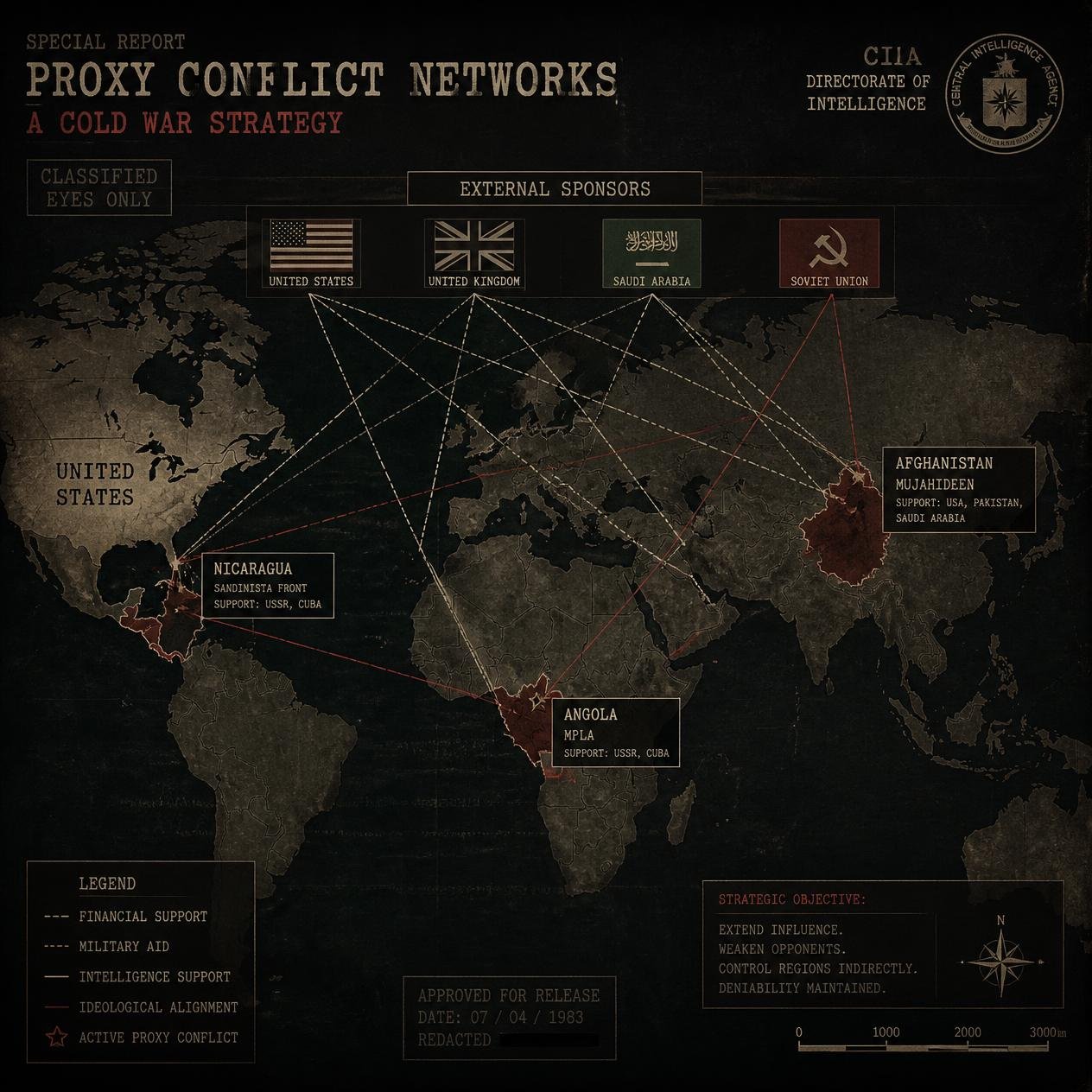
The Political Economy of Civil War Profiteering
The notion that civil wars are solely political contests, driven by populations seeking justice, representation, or security, is a comforting illusion. Although conflicts seldom begin exclusively for financial reasons, the outbreak of violence swiftly transforms the economic landscape, supplanting formal state structures with alternative systems of power, profit, and protection. Once armed conflict erupts, a complex ecosystem of vested interests emerges to exploit the resulting instability. The war economy supplants the peacetime economy, rendering the continuation of conflict a lucrative enterprise. Beneficiaries of this system include foreign governments, political leaders, military officers, ruling families, rebel commanders, multinational arms manufacturers, illicit weapons brokers, private military contractors, commodity traders, foreign corporations, smugglers, neighbouring elites, and transnational logistics networks.
Understanding the structure of this predatory system requires a clear distinction between the strategic and financial profits generated by prolonged warfare, although these dimensions often intersect in practice.
Strategic profit is reflected in the acquisition of geopolitical leverage and the calculations of statecraft. For foreign governments and intelligence agencies, sponsoring proxy wars is often described as “the cheapest insurance in the world,” enabling them to weaken rivals without engaging in direct military confrontation. Strategic profit encompasses the pursuit of regional influence, control over critical territories or maritime routes, military access, the installation of compliant client governments, diplomatic leverage, and the deliberate entrapment of adversaries in protracted, costly conflicts. During the Cold War, the United States and the Soviet Union relied on local surrogates in Angola, Vietnam, and Afghanistan to counter and limit each other’s influence while avoiding confrontation. In more recent cases, regional powers such as Rwanda and Uganda in the Democratic Republic of Congo (DRC), or Gulf monarchies in Libya and Yemen, have intervened to secure borders, contain transnational threats, and project regional dominance.
Financial profit, in contrast, is quantified through currency, commodities, and contractual arrangements. The monetisation of instability sustains it. As formal economies collapse, new environments emerge in which actors accumulate wealth via arms contracts, procurement corruption, illicit extraction of minerals and oil, widespread smuggling, diversion of humanitarian aid, and inflated military budgets. In resource-rich countries, rebel commanders and corrupt government officials exploit easily extractable commodities—such as alluvial diamonds in Sierra Leone and Angola, coltan and gold in the DRC, and timber and rubber in Liberia—to finance conflict and amass personal wealth. For example, Charles Taylor of Liberia reportedly generated approximately $400 million annually between 1992 and 1996 through the international trade of hardwoods and diamonds. In Angola, the UNITA rebel group maintained its insurgency and amassed significant wealth by controlling up to 70 per cent of national diamond production. Financial profit is not limited to rebel groups; government elites often employ “shadow state” networks to divert public funds and resource rents, manipulate import licenses, extort foreign companies, and distribute patronage.
The conditions of war significantly facilitate the accumulation of wealth by powerful actors. Prolonged conflict is characterised by secrecy, emergency powers, and the systematic erosion of institutional oversight, making wartime enrichment relatively straightforward. Under the broad justification of “national security,” political leaders and military commanders expand executive authority, circumvent procurement regulations, and control substantial public funds without accountability. In countries such as Nigeria, Egypt, and Afghanistan, military budgets have increased dramatically in response to insurgencies or security concerns. However, these resources are frequently misappropriated through fraudulent contracts, fictitious personnel, and kickbacks. The classified nature of defence spending renders the full extent of such corruption nearly impossible to audit. Emergency measures during wartime enable ruling elites to suppress civilian oversight, detain investigative journalists, and reward loyal patronage networks, effectively transforming the state into a profit-generating enterprise.
Nowhere is the financial profit of war more institutionalised than in the international arms trade. The defence industry requires a continuous state of conflict to sustain its demand for weapons, ammunition, maintenance, training, and replacement equipment. Wars like those in Iraq and Afghanistan functioned as a spectacular windfall for primary defence contractors; companies like Lockheed Martin and Northrop Grumman saw their stock prices soar by hundreds of per cent as billions of taxpayer dollars were channelled into military supply chains and private services. Simultaneously, the “shadow world” of commercial intermediaries and illicit weapons brokers—figures like Viktor Bout, Leonid Minin, and Joe der Hovsepian—operates in the murky spaces between governments and armed groups, routing surplus weapons to embargoed nations, rebels, and warlords in exchange for cash or blood diamonds.
The emergence of private military companies (PMCs) has further complicated this ecosystem, representing the commodification of armed conflict. States have contracted PMCs such as Blackwater, Executive Outcomes, and the Wagner Group to provide services ranging from logistical support to direct combat operations. The privatisation of warfare introduces significant moral hazards, as these organisations are motivated primarily by profit rather than national interest, creating financial incentives to prolong or expand conflict. In a market-driven environment, the availability of private military capabilities can generate demand of its own, reducing political obstacles for states to engage in warfare while shifting casualties away from regular armed forces and public scrutiny.
This analysis raises a critical and unsettling question: did these actors profit from the ongoing conflict, or did the conflict persist because they profited?
Historical evidence strongly supports the latter interpretation. Although foreign powers or domestic factions may not have initiated violence solely for profit, the development of a war economy fundamentally transforms their incentives. Warring parties, ranging from local warlords to corrupt state officials, often reach a “mutually hurting stalemate” that, in practice, constitutes a lucrative and stable arrangement. Achieving victory and restoring peacetime governance would be undesirable, as it would dismantle the mechanisms—such as extortion, smuggling, unaudited defence budgets, and unaccountable authority—that sustain their wealth. For these actors, violence is not a breakdown of order but a rational and effective system of accumulation. When peace threatens the interests of both warlords and defence contractors, conflict becomes perpetual.

Resources Financing Their Own Destruction
The tragedy of resource-cursed states lies in the presence of natural assets that ultimately facilitate their own destruction. When a nation experiences internal fragmentation, its natural wealth—such as oil, diamonds, gold, timber, copper, cobalt, rare minerals, or narcotics—shifts from serving as a foundation for national development to becoming the primary financial engine of ongoing conflict. Modern warfare requires substantial and continuous capital to sustain military operations, including expenditures on weapons, ammunition, salaries, and logistics. In the absence of external superpower support, combatants must generate revenue independently. This is accomplished through the violent seizure of state resources, transforming the war economy into a lucrative and self-sustaining enterprise. In this context, national wealth not only attracts opportunists but also directly finances the mechanisms that perpetuate state collapse.
Resource extraction in conflict zones is both varied and ruthless. Armed groups that seize control of mines, oil fields, and trade routes often integrate themselves into global commodity chains. These groups establish predatory taxation systems, extorting local workers, agricultural producers, and entire communities. In the Democratic Republic of the Congo (DRC), for instance, domestic militias and foreign armies from Rwanda and Uganda systematically looted gold, diamonds, timber, and coltan, enforcing monopolies and violent taxation on artisanal miners. Since these commodities must reach international markets to be monetised, combatants depend on transnational smuggling networks. They sell resources through smugglers and neighbouring states, using shell companies, offshore banking havens, and hawala networks to obscure the origins of conflict resources and integrate them into the legitimate global economy.
In numerous cases, commodities are exchanged directly for weapons. During the civil war in Sierra Leone, the Revolutionary United Front (RUF) exploited forced civilian labour to mine alluvial diamonds under extremely harsh conditions. These labourers were often compelled to transport diamonds on foot through the jungle to the porous Liberian border. Under the protection of Charles Taylor’s regime, the diamonds were transferred to international arms brokers, including Viktor Bout and Leonid Minin, in exchange for large shipments of Eastern European assault rifles, ammunition, and surface-to-air missiles.
When insurgent groups are unable to seize resources immediately, they may obtain capital by selling ‘booty futures,’ which are promises of future extraction rights granted to foreign supporters in exchange for immediate military financing. In 1997, as Laurent-Désiré Kabila’s rebel forces advanced across Zaire (now the DRC), international mining firms entered rebel-controlled areas to negotiate contracts for assets not yet fully under rebel control. Foreign corporations provided Kabila with substantial capital and logistical support in return for future monopolies on copper, cobalt, and zinc concessions. Similarly, during Congo-Brazzaville’s 1997 civil war, Denis Sassou-Nguesso’s militia was financed through the sale of future oil rights to the French petroleum company Elf Aquitaine, which supplied the resources necessary for Sassou-Nguesso to overthrow the government and regain the presidency. By selling future rights to state resources, insurgents leverage sovereign wealth to finance military campaigns that would otherwise be unattainable.
The type of natural resource significantly influences the nature of conflict and the actors involved. A key distinction exists between ‘diffuse’ (lootable) resources and ‘point’ (unlootable) resources. Diffuse resources, such as alluvial diamonds, gold, and narcotics, are portable, valuable, and easily smuggled. They are distributed over large geographic areas and can be extracted by unskilled labour with minimal technology, making them accessible to rebel groups and warlords. Because significant quantities of diamonds can be concealed and transported with ease, these resources often evade border controls and state blockades. This high degree of lootability contributed to the resilience of UNITA in Angola, which generated approximately $3.7 billion from illicit diamond sales to sustain its insurgency after the end of Cold War support.
In contrast, point resources such as oil, natural gas, and deep-shaft copper or kimberlite diamond mining are capital-intensive and require substantial infrastructure, advanced technology, and significant foreign direct investment. These requirements make direct exploitation by loosely organised rebel groups highly unlikely. Instead, point resources attract multinational corporations, foreign governments, and private military companies (PMCs). The need for territorial security often results in the militarisation of extraction zones. The Angolan Civil War illustrates this dichotomy: UNITA insurgents financed their operations through the diffuse wealth of inland diamond fields, while the MPLA government funded its conventional military buildup with revenues from offshore oil. Multinational oil corporations extracted Angolan crude, generating state revenues that enabled the procurement of advanced weaponry and transforming the conflict into a mechanised war sustained by global energy markets.
A significant consequence of resource-driven warfare is the erosion of the social contract between governing authorities and the population. In a functional state, governments rely on taxation to generate revenue, which creates incentives to provide public goods, engage in political negotiation, and build accountable institutions. However, when governments or armed groups can finance themselves entirely through offshore oil revenues, illicit diamond smuggling, or narcotics trafficking, the local population becomes economically marginalised. The state or rebel administration transforms into a rentier entity, deriving wealth from external resource extraction rather than domestic productivity. With financial independence secured by natural resources, there is no necessity to tax citizens or seek their consent. This dynamic enables violence and authoritarian control to persist, insulated from popular opposition. The population is no longer regarded as a source of national strength but rather as a pool of forced labour or an obstacle to be removed from resource-rich areas.
Yet, vital nuance must be maintained: natural resources do not automatically cause civil wars. The mere presence of oil or gold is not a deterministic curse. In states with strong, democratic institutions and diversified economies, natural wealth can be harnessed for national development. The catastrophic effects of natural resources emerge only when combined with deep institutional weakness, exclusionary politics, and historical grievances. Geography plays a critical role: resources in distant, porous border regions are far more vulnerable to rebel capture and transnational smuggling than those near the centre of state power. Furthermore, the entire machinery of a resource war relies fundamentally on foreign demand. It requires the complicity of neighbouring elites willing to launder stolen goods, international commodity traders turning a blind eye to the origins of their purchases, and outside businesses prioritising profit over human life.
This analysis reveals a troubling geopolitical reality: the very resources that should ensure national prosperity—oil, minerals, and forests—can become mechanisms of entrapment. When the global economy offers a market for conflict commodities and armed actors can convert stolen resources into weapons and political power, incentives for peace are undermined. National wealth not only attracts opportunists but also finances the procurement of weapons, payment of mercenaries, and enrichment of elites who perpetuate ongoing instability.
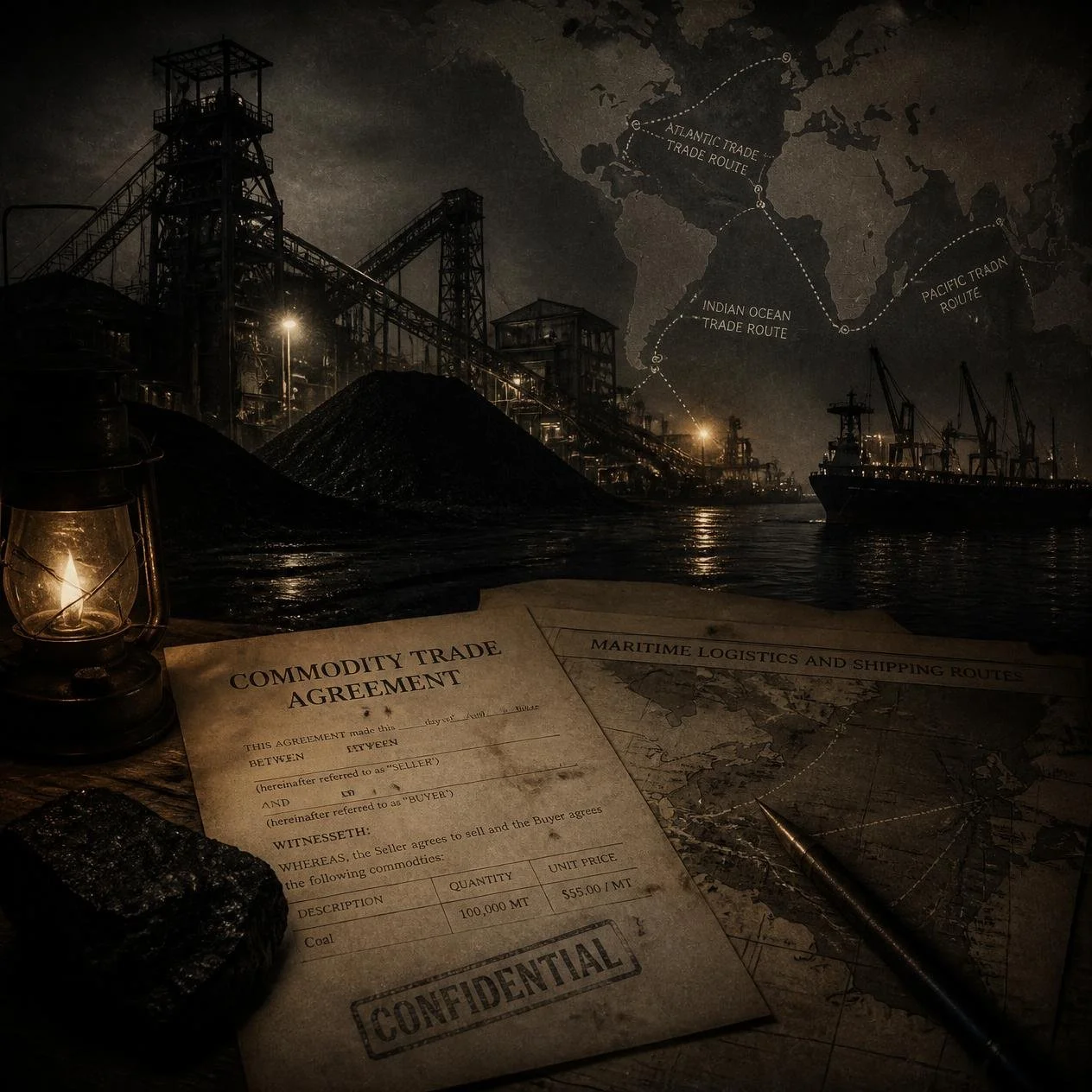
When Peace Becomes Bad Business
Peace is widely considered the ultimate and most desirable objective for societies fractured by civil war. However, understanding the persistence of modern conflicts requires addressing a critical question: what happens when those with the authority to end a war are also the individuals or groups most vested in its continuation?
Prolonged conflict is seldom merely a breakdown of civic order; instead, it enables the formation of a highly functional alternative political and economic system. Although civilian populations enduring violence strongly desire peace, it poses a significant threat to a network of conflict entrepreneurs whose wealth, authority, status, and influence depend on the continuation of hostilities. Within this parallel system, war becomes a continuation of economic activity through violent means.
Protracted wars foster a wide range of vested interests that benefit from ongoing violence. At the local level, military commanders and militia leaders establish personal territories, generating substantial untaxed revenue through checkpoints and the extortion of civilian commerce and agricultural producers. In South Sudan, for example, the proliferation of checkpoints resulted in a ‘checkpoint economy’ that militarised trade and incentivised commanders to perpetuate local disorder. Armed groups also monopolise profitable smuggling routes, transporting commodities such as fuel, narcotics, household goods, and displaced persons, as observed in Iraq, Libya, and the Sahel. Both state officials and rebel leaders exploit conflict to divert humanitarian aid, manipulate relief operations for personal gain, and sell stolen goods on the black market.
At the national level, institutional beneficiaries of war remain deeply entrenched. Military establishments receive significantly increased budgets to address insurgencies, often justified by ‘national security’ concerns that obscure their expenditures from civilian oversight and accountability. Political leaders use wartime emergency powers to suspend constitutional rights, bypass parliamentary scrutiny, delay elections indefinitely, and suppress legitimate opposition under the pretext of addressing treason or terrorism.
This predatory ecosystem extends beyond national borders. Foreign governments intervene to maintain strategic influence, employing local proxies to weaken rivals without deploying their own conventional forces. Multinational arms suppliers and illicit weapons brokers profit substantially, as ongoing warfare necessitates a steady supply of munitions, aircraft, and small arms. Simultaneously, foreign businesses and commodity traders obtain advantageous extraction rights to resources such as oil, timber, and minerals, sometimes purchasing ‘booty futures’ from rebels to finance insurgencies in exchange for future monopolies, as seen during the 1997 civil war in Congo-Brazzaville. Private military contractors (PMCs) and security firms secure ongoing, lucrative contracts to protect corporate assets, diplomatic missions, and supply convoys. These private actors, operating in a competitive market for force, have little incentive to support lasting peace, which would eliminate demand for their specialised services.
For these actors, a negotiated peace settlement constitutes an existential threat rather than a solution. Transitioning to peacetime compels armed groups to relinquish profitable territories and checkpoints, government officials to forfeit emergency powers, and military leaders to accept democratic, civilian oversight and transparent budgeting. Smugglers and warlords lose the disorder that conceals their illicit activities, while foreign sponsors forfeit the compliant proxies that maintain their regional influence. For elites responsible for widespread violence and asset stripping, the restoration of the rule of law introduces the risk of war crimes investigations, international tribunals, and the seizure of illicit offshore assets.
When peace threatens these profitable arrangements, influential actors often emerge as ‘spoilers.’ Spoilers are leaders or factions who intentionally obstruct negotiations, manipulate ceasefires, and undermine peace agreements to preserve their wartime benefits. Civil war adversaries frequently encounter a significant ‘commitment problem,’ fearing that disarmament will leave them vulnerable to their opponents. Spoilers exploit this distrust by launching offensives, committing atrocities against civilians, or orchestrating assassinations to undermine trust and reignite conflict. Jonas Savimbi of Angola’s UNITA movement exemplified this role, repeatedly returning the country to war after losing the 1992 elections, financed by substantial illicit diamond revenues.
However, it is essential to recognise that failed peace processes are not solely motivated by profit. Greed is often intertwined with historical grievances, ideological commitments, fear, and desires for retribution. Combatants may fear victimisation or political marginalisation if they disarm, and may engage in economic predation, such as diamond mining or drug trafficking, as a survival strategy against a repressive state. Regardless of whether the initial motivation is greed or grievance, the resulting war economy creates a structural impediment to peace.
The introduction of foreign funding significantly exacerbates this intractability. When external sponsors provide untraceable financial resources, advanced weaponry, diplomatic protection, or cross-border sanctuaries, they shield their proxies from the natural attrition of war. This external support reduces the incentive to compromise. Factions that might otherwise collapse due to insufficient support or military losses may instead pursue continued conflict, believing that victory remains attainable. As a result, conflicts are prolonged, evolving into a ‘mutually hurting stalemate’ in which violence persists not for victory but to sustain profitable, low-intensity warfare that weakens the host state and benefits the proxy model.
Ultimately, the architecture of state collapse is deliberately maintained by those who benefit from it, resulting in a persistent geopolitical tragedy. When international organisations attempt to intervene, mediate, or enforce transparency within these predatory systems, they often encounter strong resistance from warring elites. To protect their war economies and authoritarian control from external scrutiny, these leaders frequently manipulate the concept of state sovereignty.
The Sovereignty Defence
When covert foreign influence becomes apparent or even suspected, the targeted state typically responds with defensive measures. Rather than immediate military retaliation, governments implement extensive legal and bureaucratic barriers. To counter external subversion, states employ a range of regulatory countermeasures, including foreign-agent registration laws, strict limitations on overseas funding, complex NGO registration requirements, political-finance controls, increased media regulation, widespread surveillance, expulsion of foreign workers, and significant restrictions on the autonomy of universities, philanthropic foundations, and advocacy organisations.
Understanding the influence of the “sovereignty defence” requires recognition of its most legitimate rationale. States have a fundamental interest in identifying when foreign governments, intelligence-linked intermediaries, or concealed donors attempt to manipulate domestic politics. The threat of malign finance, defined as the covert funding of political parties, candidates, and influential groups through opaque structures, is well documented. Authoritarian regimes often exploit legal loopholes in open societies by using offshore shell companies, trust-based networks, and opaque corporate subsidiaries to illegally channel funds into democratic elections and media ecosystems. When adversarial nations secretly support extreme political factions or finance digital media outlets that increase polarisation, the sovereignty of the target state is compromised. In this context, enforcing transparency in political funding, requiring disclosure of beneficial ownership, and mandating that media outlets reveal their foreign financial backers are essential mechanisms of national defence. A sovereign state cannot function if foreign intelligence services or transnational oligarchs covertly influence its democratic processes.
However, significant ambiguity exists in the globalisation of civil society, particularly regarding the distinction between foreign funding and foreign direction. Receiving international financial support does not necessarily transform an organisation into a proxy controlled by a foreign power. Transnational advocacy networks often employ a “boomerang pattern,” whereby domestic groups facing repression seek international allies to apply external pressure for human rights or environmental protection. In many low-income or transitional countries, local NGOs depend almost entirely on international grants due to the absence of, or strict state control over, domestic philanthropic funding by state elites. This financial dependence complicates questions of agency. It raises the issue of whether an organisation can remain an independent representative of its population when it is sustained entirely by foreign ministries and aid agencies. The central question is what threshold of evidence should be required before international assistance is classified as hostile subversion, and who within the state has the authority to make this determination.
Addressing this question exposes the most authoritarian aspects of the sovereignty defence. Governments worldwide have demonstrated that the language of national security can be expanded to serve as a tool for comprehensive political control. By designating independent journalists, opposition parties, protest movements, academic researchers, and civil-society organisations as “foreign agents,” regimes can undermine their domestic credibility, cut off funding, and frame legitimate criticism as part of an external conspiracy. Autocratic and hybrid regimes engage in “diffusion-proofing,” constructing legal frameworks specifically intended to shield their populations from foreign influences and to restrict the organisational capacity necessary for mass mobilisation.
Historical and contemporary examples of weaponised sovereignty demonstrate its extensive impact. In Russia, a progression of increasingly restrictive laws culminated in the 2012 “Foreign Agents” law and the 2015 “Undesirable Organisations” law, granting the state broad authority to blacklist, close, and expel both domestic and international NGOs. These measures transformed the post-Soviet civil society sector into an extension of state authority. In China, the 2017 Overseas NGO Management Law placed foreign NGOs under the direct supervision of public security agencies and explicitly prohibited activities considered to threaten “national unity” or “public order,” thereby framing international civil society as a national security risk.
This phenomenon extends beyond traditional autocracies. In India, the government invoked the Foreign Contributions Regulation Act (FCRA) to restrict environmental and human rights groups, preventing thousands of NGOs, including Greenpeace and Compassion International, from receiving international funding. In Egypt, legislation enacted in 2017 imposed prison sentences of up to five years on NGOs cooperating with international organisations without prior state approval, effectively criminalising transnational civic engagement. Additionally, international frameworks intended to combat global terrorism, such as the Financial Action Task Force (FATF) recommendations, have been repurposed by states to impose broad regulations that hinder legitimate, non-violent civil society groups.
The power of accusing domestic entities of foreign destabilisation lies in its ability to reshape public perception, even without substantive evidence. When human rights advocates, labour organisers, or investigative journalists are labelled as agents of foreign states, the focus of public debate shifts from substantive grievances, such as state corruption, electoral fraud, or police misconduct, to questions of loyalty and treason. If a regime successfully frames a mass protest movement as a “colour revolution” orchestrated by foreign actors, it avoids addressing the underlying domestic issues that prompted public dissent. The state then presents itself as under threat from external forces, using manipulated social media and state-sponsored media to generate nationalist sentiment against perceived foreign proxies.
This situation presents a central and challenging dilemma. In an era characterised by cognitive warfare, malign finance, and cyber-subversion, states must find ways to defend political integrity against covert foreign influence without using sovereignty as a justification to suppress independent voices. The modern political landscape is marked by the reality that the bureaucratic structures designed to protect democracy from foreign manipulation are often indistinguishable from those used to undermine it internally.
The Country Left Behind
When the geopolitical priorities of foreign powers change, the structures of intervention are often dismantled as rapidly as they were established. Superpowers and regional sponsors revise their strategies, intelligence agencies terminate covert operations, and foreign military advisers withdraw. In the capitals of sponsoring states, the proxy war is declared concluded, regarded as either a historical footnote or a completed policy initiative. However, for the nation that served as the battleground, the end of foreign sponsorship does not signify peace. Rather, it initiates a prolonged and challenging period of reckoning. The host country must navigate a landscape fundamentally altered by years of external manipulation, with political, military, and social consequences that will shape national life for decades.
The most immediate and visible legacy of foreign intervention is the arsenal of weapons left behind. When external sponsors withdraw from a conflict, they seldom reclaim the instruments of violence introduced into the country. Consequently, millions of weapons remain—the result of foreign policy decisions that failed to deliver development or democracy. In Afghanistan, the Soviet withdrawal and subsequent disengagement by the United States left the nation inundated with weapons, cash, and contraband, leading to the dissolution of legitimate state structures. This extensive arsenal transforms the post-war environment, allowing former combatants to shift from politically motivated warfare to violent entrepreneurship. The repercussions of these weapons often persist beyond the conflict; American-supplied Stinger missiles, initially provided to Afghan mujahideen in the 1980s, later circulated through illicit networks to conflict zones in Bosnia, Kashmir, and the Palestinian territories. In Angola, the aftermath of a Cold War proxy conflict, sustained by foreign funding and weaponry, resulted in approximately 70,000 landmine amputees among a population of nine million, permanently disabling a significant portion of the citizenry and rendering large areas of agricultural land unusable.
Alongside the proliferation of foreign weapons, the armed networks established to wield them persist. Foreign powers often construct, finance, and train proxy militias to achieve tactical objectives, only to discover that these groups endure beyond their sponsors’ intentions. When external funding ceases, these proxies rarely demobilise or reintegrate into civilian society. In the absence of superpower support, warring factions seek economic sustainability through illicit exploitation of local resources and transnational smuggling. Proxy armies frequently evolve into highly organised criminal syndicates or unaccountable political factions. In Liberia, the Democratic Republic of the Congo, and Afghanistan, armed groups originally used as proxies became permanent politico-military networks, employing coercion, monopolies, and violent taxation to secure criminal rents. The integration of these actors into the post-conflict environment undermines stability. Former rebel commanders and militia leaders, equipped with foreign training and surplus weapons, often leverage violence to position themselves as indispensable peacemakers or political actors, ensuring that post-war institutions prioritise warlord survival over accountable governance.
This dynamic ensures that the economic consequences of intervention are as severe as the physical destruction. Countries abandoned by foreign sponsors inherit economies systematically hollowed out and restructured for exploitation. Post-colonial states frequently inherit substantial debt accumulated by dictators who borrowed extensively to finance externally sponsored wars, burdening future generations with repayment. The formal economy is often destroyed, replaced by a shadow economy reliant on smuggling commodities such as diamonds, timber, and narcotics. In Angola, billions of dollars from oil and diamonds fueled prolonged conflict, enriching a small political and military elite while the majority of the population suffered catastrophic poverty and hunger.
The peace dividend is often appropriated by the same foreign interests that fueled the conflict. During warfare, vulnerable factions frequently enter into highly unequal extraction agreements, exchanging future access to oil, mining, and timber concessions for immediate military support. After the conflict, foreign corporations and commodity traders maintain profitable access to these resources, turning post-war reconstruction into another opportunity for external profit and elite corruption. In this context, the post-conflict state becomes a rentier political marketplace, where widespread rent-seeking and intense competition among elite networks for international aid and resource revenues hinder the development of a functional domestic economy.
The human and political consequences of this engineered collapse are profound and span generations. Populations exposed to prolonged proxy warfare adapt to environments in which survival depends on submission to armed factions that control local power. Extended intervention erodes the social fabric, resulting in societies marked by internal fragmentation, mutual distrust, and the trauma of mass displacement. Human capital diminishes as educated individuals flee into exile, while those remaining experience militarisation and violence. Dependence on foreign aid and external security guarantees fosters a culture of dependency, prompting local institutions and political elites to prioritise foreign donors over domestic constituents. This politics of extroversion breaks the bond of accountability between the state and its citizens. The public develops deep cynicism, recognising that national politics are shaped by unaccountable forces, covert intelligence operations, and transnational capital beyond their borders.
Maintaining historical and analytical nuance is crucial, as foreign intervention is seldom the sole cause of state failure. Domestic leaders, historical grievances, ethnic divisions, and systemic inequalities create the initial fractures leading to civil war. National elites are responsible for their predatory decisions and their willingness to involve foreign powers in domestic conflicts. Nevertheless, external support significantly alters the trajectory of these disputes. Foreign funding, weaponry, and diplomatic backing internationalise and intensify local conflicts, fostering heavily armed networks and entrenched economic dependencies that would not persist without external sponsorship. By sustaining weak factions and shielding proxies from the consequences of their unpopularity, foreign sponsors render the violence intractable.
Ultimately, a fundamental asymmetry must be acknowledged. For foreign governments, intelligence agencies, or private contractors, intervention represents a temporary tool of statecraft—a strategic action to weaken rivals, secure resources, or project influence. Such policies can be audited, debated, and abandoned as political priorities shift. For the country left behind, however, intervention is not a transient phase. It dismantles state structures, reconfigures the economy for violent extraction, and leaves a legacy of weapons and warlords that shape the nation’s future. While foreign powers may withdraw and move on, the affected population remains condemned to endure the enduring reality constructed by their sponsors.
The Business That Outlived the War
Civil wars typically originate from authentic domestic divisions, often rooted in severe horizontal inequalities, systemic marginalisation, acute poverty, or significant state repression. However, the dynamics of modern conflict reveal that when foreign governments, intelligence agencies, illicit arms networks, transnational corporations, and opportunistic political elites become involved, the conflict is fundamentally transformed. What initially emerges as a local struggle for political representation or survival is often appropriated and restructured into a transnational enterprise, governed by its own economic and strategic imperatives. The original political, ethnic, or ideological motivations may no longer account for the persistence of violence; rather, the conflict endures because it has evolved into an alternative system of profit, power, and protection.
The process of destabilisation follows a deliberate and escalating trajectory. It often begins with covert funding, manipulation of civil society, and cognitive subversion to exploit human biases and intensify social divisions. As the crisis escalates and organised violence emerges, external influence expands to include the provision of weapons, military training, intelligence sharing, and the involvement of private military contractors. Eventually, intervention becomes entrenched in the nation's material wealth, as armed groups and their foreign sponsors seize control of valuable natural resources such as diamonds, timber, and gold. At this stage, warfare functions as a mechanism of enterprise and accumulation. The conflict transforms into a self-sustaining war economy, supported by transcontinental smuggling networks and integrated into global commodity and financial systems.
A stark and tragic asymmetry defines the aftermath of these conflicts: the profound contrast between those who profit from the violence and those who must remain in its ruins. For the foreign sponsors and conflict entrepreneurs, intervention is merely a temporary, transactional instrument of statecraft or commerce. When geopolitical priorities shift, superpower patrons can negotiate with their rivals, abandon their proxies to their fate, and seamlessly redirect their attention to new theatres of competition. Illicit arms suppliers and mercenary firms pack up their logistics networks and move to the next profitable zone of instability. Political leaders and corrupt military elites transfer their extracted wealth to offshore shell companies and international banking havens, entirely insulated from the devastation they oversaw. Yet, the affected country and its population cannot simply walk away. They are left behind to inherit a landscape of weakened, predatory institutions, a society saturated with circulating weapons, and a formal economy fundamentally distorted around smuggling, aid diversion, and illicit resource extraction. Generations are permanently shaped by the trauma of militarisation, mass displacement, and a corrosive mistrust born from decisions made in distant capitals, entirely beyond the reach of public accountability.
It must be understood that many of these things operate in a grey area, where it’s difficult to differentiate between what’s true and what’s false, what’s right and what’s wrong. Information encountered through media, technology, and news outlets is rarely entirely accurate or wholly false. Viewing those with differing perspectives as adversaries fosters unrest and animosity, ultimately serving the interests of those who instigated the conflict. While individuals are often inclined to support causes that appear noble or urgent, critical questions regarding the origins, beneficiaries, and motivations behind these causes are frequently neglected. It is essential to adopt a critical perspective that resists confirmation bias and acknowledges multiple viewpoints. As Aesop observed, “Every truth has two sides; it is as well to look at both before we commit ourselves to either.”
This asymmetry necessitates a critical examination of the moral question of responsibility. The mechanisms of modern proxy warfare and covert operations are intentionally structured to systematically dissolve accountability. The widespread use of intelligence intermediaries, anonymous financial channels, private military contractors, and opaque proxy forces creates complex command structures and plausible deniability. When atrocities occur, peace processes fail, or states collapse, each actor within this network can plausibly deny responsibility for the outcome. Foreign sponsors attribute abuses to the autonomy of their proxies, while proxies justify predatory actions as necessary for survival under domestic repression. International businesses and commodity traders assert neutrality, claiming adherence to commercial norms in challenging environments. Local political elites frame self-enrichment and emergency powers as essential for national security. Ultimately, responsibility becomes so fragmented across borders, corporate structures, and covert networks that meaningful accountability is effectively eliminated.
It is essential to maintain analytical rigour and avoid reducing every civil war to a foreign-driven, profit-motivated conspiracy. Domestic actors possess significant agency, and the roots of violence often stem from genuine fear, historical grievances, and urgent security needs. National leaders, warlords, and rebel commanders are accountable for their predatory decisions and for inviting foreign intervention into domestic conflicts. The more complex reality is that authentic grievances are often exploited and weaponised by external actors whose strategic and commercial interests become deeply embedded in the conflict. While a nation's resources and geopolitical vulnerabilities may not directly create insurgencies, they provide the resources and international protection that enable rebellions to persist beyond their natural endpoints.
Ultimately, a critical philosophical question emerges: do some wars persist not due to irreconcilable ideological divisions or the impossibility of peace, but because ongoing conflict serves the interests of those with the power to perpetuate it? Within the political economy of destabilisation, wars may lose their original purposes as foreign sponsors withdraw and initial revolutionary motivations fade. Nevertheless, the complex networks of extortion, smuggling, and unaccountable authority established during conflict can persist, continuously extracting wealth and power from the weakened state. Even as overt hostilities subside, the underlying enterprise of war endures.
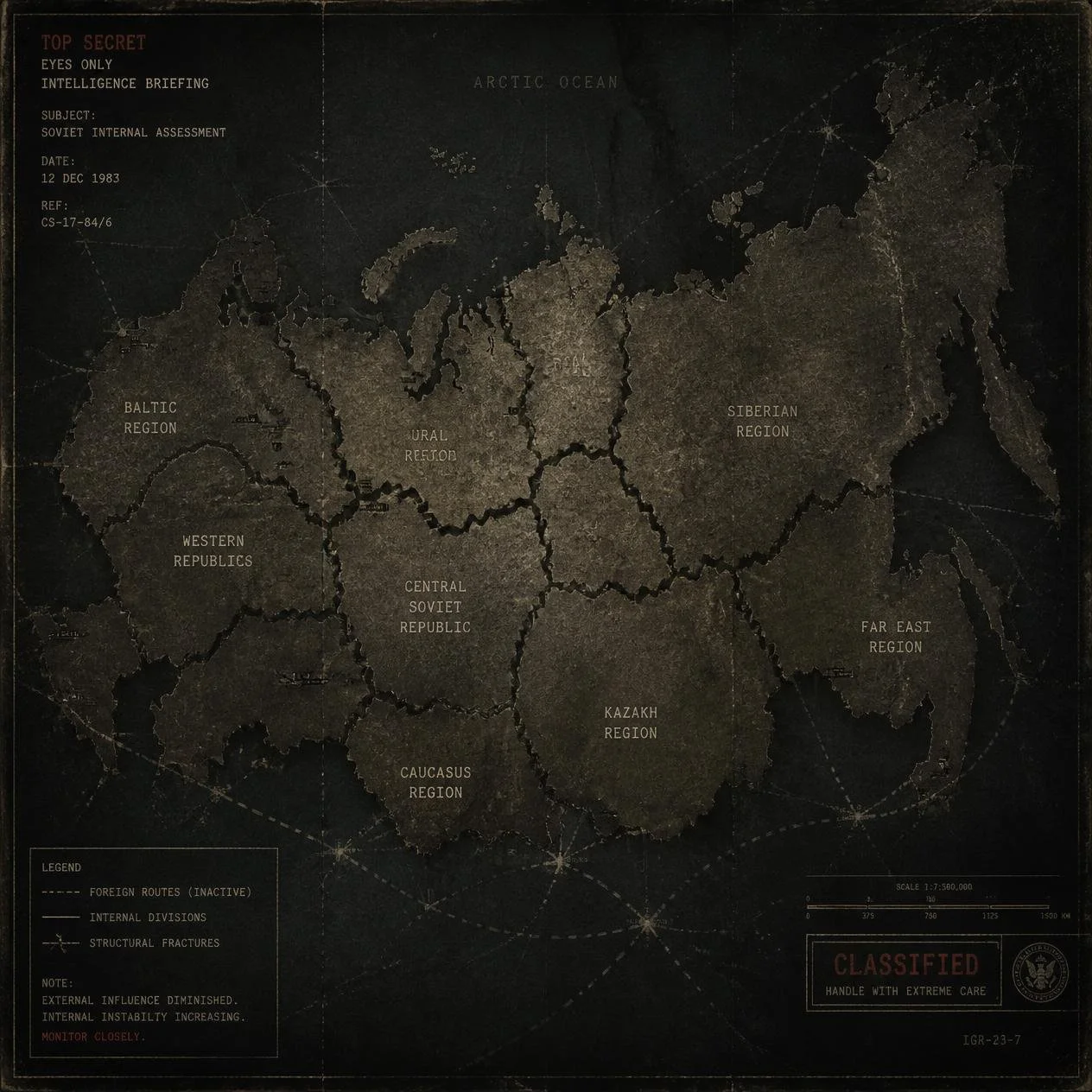
References
- COUNTERING THE FINANCIAL NETWORKS OF WEAPONS PROLIFERATION. (n.d.). https://www.govinfo.gov/content/pkg/CHRG-115hhrg31507/html/CHRG-115hhrg31507.htm
Abboud, S. (2017). The economics of war and peace in Syria (pp. 1–3).
Aghion, P., Antonin, C., & Bunel, S. (2021). The power of creative destruction: economic upheaval and the wealth of nations. In Jodie Cohen-Tanugi (Trans.), The Belknap Press of Harvard University Press. The Belknap Press of Harvard University Press.
Ali, T. M., & Matthews, R. O. (Eds.). (2004). Durable Peace: Challenges for peacebuilding in Africa. University of Toronto Press. https://www.utppublishing.com
Anderton, C. H., & Carter, J. R. (2019). Principles of Conflict Economics The political economy of war, terrorism, genocide, and peace. Sciendo. https://doi.org/10.1017/9781316875506
Andrew Feinstein. (n.d.). The shadow world.
Assaf Moghadam, Vladimir Rauta, & Michel Wyss. (2024). Routledge Handbook of Proxy Wars. In A. Moghadam, V. Rauta, & M. Wyss (Eds.), Routledge Handbook of Proxy Wars. Routledge.
Aydin, A. & Board of Trustees of the Leland Stanford Junior University. (2012). Foreign powers and intervention in armed conflicts (By Stanford Security Series). Stanford University Press.
Bakirov, A., & Suleimenov, I. (2025). Theoretical bases of methods of counteraction to modern forms of information warfare. In MDPI & Creative Commons, Computers (Vol. 14, p. 410). https://doi.org/10.3390/computers14100410
BalaEddy, P. (2024a, March 22). Migration Proxy Warfare: Exploring the role of Non-State Armed Actors in Libya’s refugee rentierism. Project on Middle East Political Science. https://pomeps.org/migration-proxy-warfare-exploring-the-role-of-non-state-armed-actors-in-libyas-refugee-rentierism
BalaEddy, P. (2024b, March 22). The donor side of refugee rentierism and migration Management aid. Project on Middle East Political Science. https://pomeps.org/the-donor-side-of-refugee-rentierism-and-migration-management-aid
Ballentine, K., Ballentine, K., Bray, J., Cater, C., Gunaratna, R., Guáqueta, A., Lunde, L., Malone, D. M., Murshed, S. M., Regan, A. J., Ross, M. L., Sherman, J., Sherman, J., & Yannis, A. (2003). The political economy of armed conflict. In Lynne Rienner Publishers eBooks. https://doi.org/10.1515/9781685853402
Ballentine, K., Nitzschke, H., & Berghof Research Center for Constructive Conflict Management. (2005). The political economy of civil war and conflict transformation. In Berghof Research Center for Constructive Conflict Management. https://berghof-foundation.org/files/publications/dialogue3_ballentine_nitzschke.pdf
Barnett, L. (2002). The fragmentation of Afghanistan. In The Fragmentation of Afghanistan (Second Edition). Yale University Press.
Beeson, M., University of Western Australia, & Sarah Chayes. (2015). Thieves of State – Why corruption threatens global security. In The Conversation, The Conversation. https://theconversation.com/book-review-thieves-of-state-wh
Benkler, Y. R., Farris, R., & Roberts, H. (2018). Network Propaganda: manipulation, disinformation, and radicalization in American politics. Oxford University Press. https://doi.org/10.1093/oso/9780190923624.001.0001
Ben-Menashe, A. (1992). Profits of War: Inside the secret U.S.-Israeli arms network. In Medical Entomology and Zoology. http://ci.nii.ac.jp/ncid/BA19515757
Berdal, M., & Malone, D. M. (Eds.). (2000a). GREED & GRIEVANCE (By International Peace Academy). Lynne Rienner Publishers, Inc.
Berdal, M., & Malone, D. M. (Eds.). (2000b). Greed and Grievance: Economic agendas in civil wars (By International Peace Academy).
Bergen, P., Rondeaux, C., Rothenberg, D., & Sterman, D. (Eds.). (2022). Understanding the new proxy wars. HURST & COMPANY.
Bob, C. (2019). Rights as weapons: instruments of conflict, tools of power. Princeton University Press. https://press.princeton.edu
Bob, C., Almeida, P., & Texas A&M University. (2005). The marketing of Rebellion: insurgents, media, and international activism. American Journal of Sociology, 237.
Boge, F. I., & Ojo, O. S. (2025). Local Conflicts Versus Global Stakes: Understanding the Political Economy of Proxy Warfare in Contemporary International Relations. Open MIND. https://doi.org/10.5281/zenodo.18558934
Bush, S. S. (2015). The Taming of Democracy Assistance: Why democracy promotion does not confront Dictators. University Printing House, Cambridge CB2 8BS, United Kingdom. https://bpb-us-w2.wpmucdn.com/web.sas.upenn.edu/dist/c/946/files/2023/07/Bush-Taming-Introduction.pdf
Buzan, B. (n.d.). National Security: From within and outside - Security issues and challenges in the contemporary world.
Call, C. (2012). WHY PEACE FAILS. Georgetown University Press. https://www.press.georgetown.edu
Carothers, T., & De Gramont, D. (2013). Development aid confronts politics: the almost revolution (pp. 319–335).
Chayes, S. (2015). THIEVES OF STATE. W. W. NORTON & COMPANY.
Cioli, A. (1987). The elephant in the garden (pp. 2–3).
Coll, S. (2005). Ghost Wars. In Penguin Books. Penguin Books.
Collier, P., Hoeffler, A., & Rohner, D. (2008). Beyond greed and grievance: feasibility and civil war. Oxford Economic Papers, 61(1), 1–27. https://doi.org/10.1093/oep/gpn029
Collier, P., Hoeffler, A., & The World Bank Development Research Group. (2000). Greed and grievance. In POLICY RESEARCH WORKING PAPER (No. 2355; p. 44). The World Bank. https://documents1.worldbank.org/curated/en/359271468739530199/pdf/multi-page.pdf
Collier, P., World Bank, Hoeffler, A., & Centre for the Study of African Economies. (2002). Greed and grievance in civil war. In CSAE WPS/2002-01 [Report].
Deppe, C., & Schaal, G. S. (2024). Cognitive warfare: a conceptual analysis of the NATO ACT cognitive warfare exploratory concept. Frontiers in Big Data, 7, 1452129. https://doi.org/10.3389/fdata.2024.1452129
Di John, J. (2007). Oil abundance and violent political conflict: A critical assessment. The Journal of Development Studies, 43(6), 961–986. https://doi.org/10.1080/00220380701466450
Dick, E. (2025, December 4). Defining Cognitive Warfare: Maximalist versus Minimalist Approaches. The Defence Horizon Journal. https://tdhj.org/blog/post/defining-cognitive-warfare/
DISEC STUDY GUIDE. (n.d.). [Study guide]. In Prudencia MUN 2025.
Disinformation and you: identify propaganda and manipulation. (2021). Visible Ink Press.
Dunigan, M., & Petersohn, U. (Eds.). (2015). The markets for force (pp. 1–195) [Book]. University of Pennsylvania Press.
Eaton, T., Yousef, L., & Chatham House. (2025). How migrant smuggling has fuelled conflict in Libya. In Chatham House.
Farcaș, I.-C. & Technical University of Cluj-Napoca, Romania. (2025). Manufacturing “realities”. The impact of AI in the age of disinformation. In ATPS (Vols. 2025–28, pp. 259–270) [Journal-article].
Forsythe, M. (2021). Kleptopia: How Dirty Money Is Conquering the World by Tom Burgis. Journal of Democracy, 32(1), 160–163. https://doi.org/10.1353/jod.2021.0008
Fox, A. C. (2022). On proxy war: A multipurpose tool for a multipolar world [Original Study]. J. Military Stud., 1–1, 1–17. https://doi.org/10.2478/jms-2023-0001
Freeman, E. & Department of Political Science, McGill University. (2015). The political salience of corruption: The politics of corruption during the Arab Spring.
Gerhart, G. M., & Campbell, G. (2002). Blood Diamonds: Tracing the deadly path of the world’s most precious stones. Foreign Affairs, 81(6), 204. https://doi.org/10.2307/20033411
Gleijeses, P. (2002). Conoicting Missions: Havana, Washington, and Africa, 1959–1976 (p. 552) [Book].
González, P. A., Cherri, Z., & Delgado, R. C. (2016). The Lebanese–Syrian crisis: impact of influx of Syrian refugees to an already weak state. Risk Management and Healthcare Policy, Volume 9, 165–172. https://doi.org/10.2147/rmhp.s106068
Guess, A. M., & Lyons, B. A. (2020). Misinformation, disinformation, and online propaganda. In Cambridge University Press eBooks (pp. 10–33). https://doi.org/10.1017/9781108890960.003
Guta, M. (2016). Kissinger in Angola: The influence of personality on foreign policy. In Working Paper. https://doi.org/10.13140/RG.2.2.22212.22409
Hemmerechts, K. (2013). Barriers to peace in civil war. Journal of Genocide Research, 15(2), 244–245. https://doi.org/10.1080/14623528.2013.789227
How Malicious AI Swarms Can Threaten Democracy The Fusion of Agentic AI and LLMs Marks a New Frontier in Information Warfare Citation: Schroeder et al. How Malicious AI Swarms Can Threaten Democracy. arXiv:2506.06299. https://doi.org/10.48550/arXiv.2506.06299 Corresponding author: daniel.t.schroeder@sintef.no; †These authors contributed equally to this work; The authors are listed in alphabetical order by last name, starting from the third and ending with the second-to-last. (n.d.). https://arxiv.org/html/2506.06299v3
Howard, P. N. (2020). Lie machines. Yale University Press.
Hunsberger, C. (2013). Wars of plunder: conflicts, profits and the politics of resources. Canadian Journal of African Studies / Revue Canadienne Des Études Africaines, 47(2), 317–319. https://doi.org/10.1080/00083968.2013.829944
Hyde, S. (2010). Democracy Promotion: theory and practice. In Yale University.
Issue One. (2021, November 17). Mystery Money - Issue One. https://issueone.org/articles/new-report-highlights-shell-company-loophole-that-could-be-abused-by-foreigners-who-want-to-interfere-in-u-s-elections/
Johnson, L. K. (2010). National Security Intelligence. In Oxford University Press eBooks (pp. 3–32). https://doi.org/10.1093/oxfordhb/9780195375886.003.0001
Johnson, L. K. (2022). The third option: Covert Action and American Foreign Policy. Oxford University Press.
Keck, M. E., & Sikkink, K. (2014). Activists beyond Borders: Advocacy Networks in International Politics. In Cornell University Press. http://systways.academy/wp-content/uploads/2021/10/GGHR_paper_Keck-Sikkink_Activists-Beyond-Borders.pdf
Kenny, F. (2026, January 4). Profiting from instability: Disaster capitalism and accountability in Sudan’s civil war. Published in Critical Debates in Humanities, Science and Global Justice. https://criticaldebateshsgj.scholasticahq.com/article/145227-profiting-from-instability-disaster-capitalism-and-accountability-in-sudan-s-civil-war
Kerr, C. (2015, January 15). Is Libya a proxy war? Project on Middle East Political Science. https://pomeps.org/is-libya-a-proxy-war
Klausen, J., Barbieri, E. T., Reichlin-Melnick, A., & Zelin, A. Y. (2012). The YouTube Jihadists: A social network analysis of Al-Muhajiroun’s propaganda campaign. DOAJ (DOAJ: Directory of Open Access Journals). https://doaj.org/article/be40df2433714c6b8ede274fb9b0b7a2
Le Billon, P. (n.d.). Angola’s political economy of war: The role of oil and diamonds, 1975-2000. African Affairs, 100(398), 55.
Le Billon, P. (2001a). Fuelling war: natural resources and armed conflicts. In Adelphi Paper 357. Oxford University Press.
Le Billon, P. (2001b). The political ecology of war: natural resources and armed conflicts. In Political Geography (Vol. 20, pp. 561–584). https://www.politicalgeography.com
Le Billon, P. (2005). The geopolitics of resource wars. In Geopolitics. Frank Cass.
Le Billon, P., Macrae, J., Leader, N., East, R., & Humanitarian Practice Network (HPN). (2000). The political economy of War: What relief agencies need to know [Paper]. NETWORK HPN.
Ledford, J. A. (2016). The Iran-Contra Affair and the Cold War: A “Neat Idea” and the Reagan Doctrine (By Tufts University) [Thesis]. Tufts University.
LeoGrande, W. M. (1998). Our own backyard: The United States in Central America, 1977–1992. In Our Own Backyard. The University of North Carolina Press.
Lovat, H. (2020). Negotiating civil war. Cambridge University Press. https://doi.org/10.1017/9781108667302
Lucht, H., & Lndi, A. (2026). ‘Everything goes to Tripoli and for the South, there’s nothing’. EU migration externalization and grievances in a marginalized southern Libya. Progress in Development Studies. https://doi.org/10.1177/14649934261461049
Maher, A. & JSOU Press. (2019). Information age proxy warfare. In JSOU Press.
Malone, D. M., & Nitzschke, H. (2009). Economic agendas in civil wars: What we know, what we need to know. In Palgrave Macmillan UK eBooks (pp. 31–50). https://doi.org/10.1057/9780230595194_3
Mark Gorton. (n.d.). The illusion of democracy. In A More Accurate History of the Modern United States.
Martin, I., Mayall, J., Tansey, O., Krause, J., Thierry Tardy, Keen, D., LeRiche, M., Arnold, M., Berdal, M., & Sherman, J. (n.d.). THE POLITICAL ECONOMY OF CIVIL WAR AND UN PEACE OPERATIONS. In STUDIES IN CONFLICT, DEVELOPMENT AND PEACEBUILDING. Centre on Conflict, Development and Peacebuilding (CCDP), Graduate Institute, Switzerland.
McFate, S. (2014). The modern Mercenary. Oxford University Press.
Minter, W. (1994). Apartheid’s Contras: An Inquiry into the Roots of War in Angola and Mozambique. Zed Books.
Mumford, A. (2013). Proxy warfare and the future of conflict. The RUSI Journal, 158(2), 40–46. https://doi.org/10.1080/03071847.2013.787733
Norbert Götz, Sarah S. Stroup, Molly Ruhlman, William E. DeMars, Dennis Dijkzeul, Youngwan Kim, Jutta Joachim, Chris Nijhuis, Andrea Schneiker, Christopher Marc Lilyblad, Holly Eva Ryan, Clare Saunders, Silke Roth, Helen Yanacopulos, David Lewis, Math Noortmann, David Horton Smith, Elizabeth Bloodgood, Paulina García-Del Moral, . . . Peter Willetts. (2019). Routledge Handbook of NGOs and International Relations (T. Davies, Ed.; First). Routledge. https://lccn.loc.gov/2018046286
Nyssen, J. & Department of Geography, Ghent University, Ghent, Belgium. (2024). A chronicle of the Tigray tragedy (2020 – 2024) (p. 360). Zenodo. https://doi.org/10.5281/zenodo.12591885
O’Connor, C., & Weatherall, J. O. (2018). The misinformation age. In Yale University Press eBooks. https://doi.org/10.2307/j.ctv8jp0hk
O’Rourke, L. A. (2018). Covert regime change: America’s secret Cold War. In Cornell University Press (p. 330) [Book].
O’Rourke, L. A. (2019). The Strategic Logic of Covert Regime Change: US-Backed Regime Change Campaigns during the Cold War. Security Studies. https://doi.org/10.1080/09636412.2020.1693620
Parker, C. (2025, July 29). The War Economy of Iraq - MERIP. Middle East Research and Information Project. https://www.merip.org/2007/06/the-war-economy-of-iraq/
Parmar, I. (2011). Foundations of the American Century: The Ford, Carnegie, and Rockefeller Foundations in the Rise of American Power.
Paziuk, A., Lande, D., Shnurko-Tabakova, E., & Kingston, P. (2025). Decoding manipulative narratives in cognitive warfare: a case study of the Russia-Ukraine conflict. Frontiers in Artificial Intelligence, 8, 1566022. https://doi.org/10.3389/frai.2025.1566022
Piero Gleijeses. (n.d.). Prologue.
Pomepsassistant. (2024, March 22). Introduction – Rentierism in Middle East Migration and refugee politics. Project on Middle East Political Science. https://pomeps.org/introduction-rentierism-in-middle-east-migration-and-refugee-politics
Pomerantsev, P. (n.d.). This is not propaganda: Adventures in the war against reality.
Prados, J. (2006). SAFE FOR DEMOCRACY. Ivan R. Dee. https://www.ivanrdee.com
Rabe, S. G. (2018). KISSINGER AND LATIN AMERICA: INTERVENTION, HUMAN RIGHTS, AND DIPLOMACY. CORNELL UNIVERSITY PRESS.
Rauta, V., ORCID: https://orcid. org/0000-0003-3870-8680. (2021). ‘Proxy War’: a reconceptualisation. In Civil Wars (pp. 1–24) [Journal-article]. Routledge. https://centaur.reading.ac.uk/94927/
Rid, T. (2020). Active Measures: the secret history of disinformation and political warfare. JSTOR.
Ross, M. L. (2012). The oil curse. Princeton University Press.
Rubin, B. R. (2020). AFGHANISTAN. Oxford University Press.
Salehyan, I. (2009). Rebels without borders : transnational insurgencies in world politics. In Cornell University Press. Cornell University Press.
Schmidt, E. (n.d.). Foreign Intervention in Africa after the Cold War. In William Minter, Foreign Intervention in Africa.
Schmidt, E. (2013). Foreign intervention in Africa: From the Cold War to the War on terror. In New Approaches to African History. Cambridge University Press. https://www.cambridge.org/9780521709033
Smith, P. (2026, June 28). Illicit finance in regional proxy group funding. Iran Sanctions & Trade Observatory. https://iransto.com/illicit-finance-in-regional-proxy-group-funding/
Stanley, J. (2015). HOW PROPAGANDA WORKS. Princeton University Press.
Stroup, S. (2020). NGOs and States in Global Politics: A Brief review. E-International Relations, 1–5. https://www.e-ir.info/2020/08/03/ngos-and-states-in-global-politics-a-brief-review/
Sullivan, J. (2021). Active measures: the secret history of disinformation and political warfare. International Affairs, 97(1), 244–245. https://doi.org/10.1093/ia/iiaa211
Sunstein, C. R. (2017). #republic [POLITICAL SCIENCE / Political Ideologies / Democracy]. Princeton University Press. https://lccn.loc.gov/2016038668
The German Marshall Fund of the United States. (n.d.). Covert foreign money: financial loopholes exploited by authoritarians to fund political interference in democracies. GMFUS. https://www.gmfus.org/news/covert-foreign-money-financial-loopholes-exploited-authoritarians-fund-political-interference
[The Un-Ending War: From Proxy War to Info War against India]. (n.d.). In Unknown [Unknown].
Thompson, E. A. (2008). An introduction to the concept and origins of Hawala. Journal of the History of International Law / Revue D’histoire Du Droit International, 10(1), 83–118. https://doi.org/10.1163/157180508x308509
Unknown, U. (n.d.). Angolan civil war.
Varvelli, A., & Mezran, K. (2017). Foreign actors in Libya’s crisis. In BiblioBoard Library Catalog (Open Research Library). https://openresearchlibrary.org/viewer/9a98e734-b6fe-4e3b-ab16-ec37bbe1fe9f
Walsh, L. E. (1997). Firewall: the Iran-Contra conspiracy and cover-up. In W. W. Norton & Company.
Watts, S., Frederick, B., Chandler, N., Toukan, M., Curriden, C., Mueller, E. E., Geist, E., Tabatabai, A. M., Plana, S., Corbin, B., Martini, J., & RAND Corporation. (2023). Proxy warfare in Strategic Competition: State motivations and future trends. In Research Report. RAND Corporation. https://www.rand.org/content/dam/rand/pubs/research_reports/RRA300/RRA307-2/RAND_RRA307-2.pdf
Westad, O. A. (2007). The global Cold War. Cambridge University Press. https://www.cambridge.org/9780521703147
Whalen, C. & Northern Kentucky University. (2023). The Iran Contra Affair: Reagan’s greatest failure. In Northern Kentucky University (Vols. 12–1) [Journal-article]. https://www.JSR.org1
Wilford, H. (2008). The mighty Wurlitzer. H A R V A R D U N I V E R S I T Y P R E S S.
Wither, J. K. & George C. Marshall European Center for Security Studies. (2020). Outsourcing warfare: proxy forces in contemporary armed conflicts. In Security and Defence Quarterly. https://securityandefence.pl/
Woolley, S. (2023). Manufacturing consensus. Yale University Press.